Birds of Horicon Marsh: Exploring One of North America's Great Wetlands
Horicon Marsh
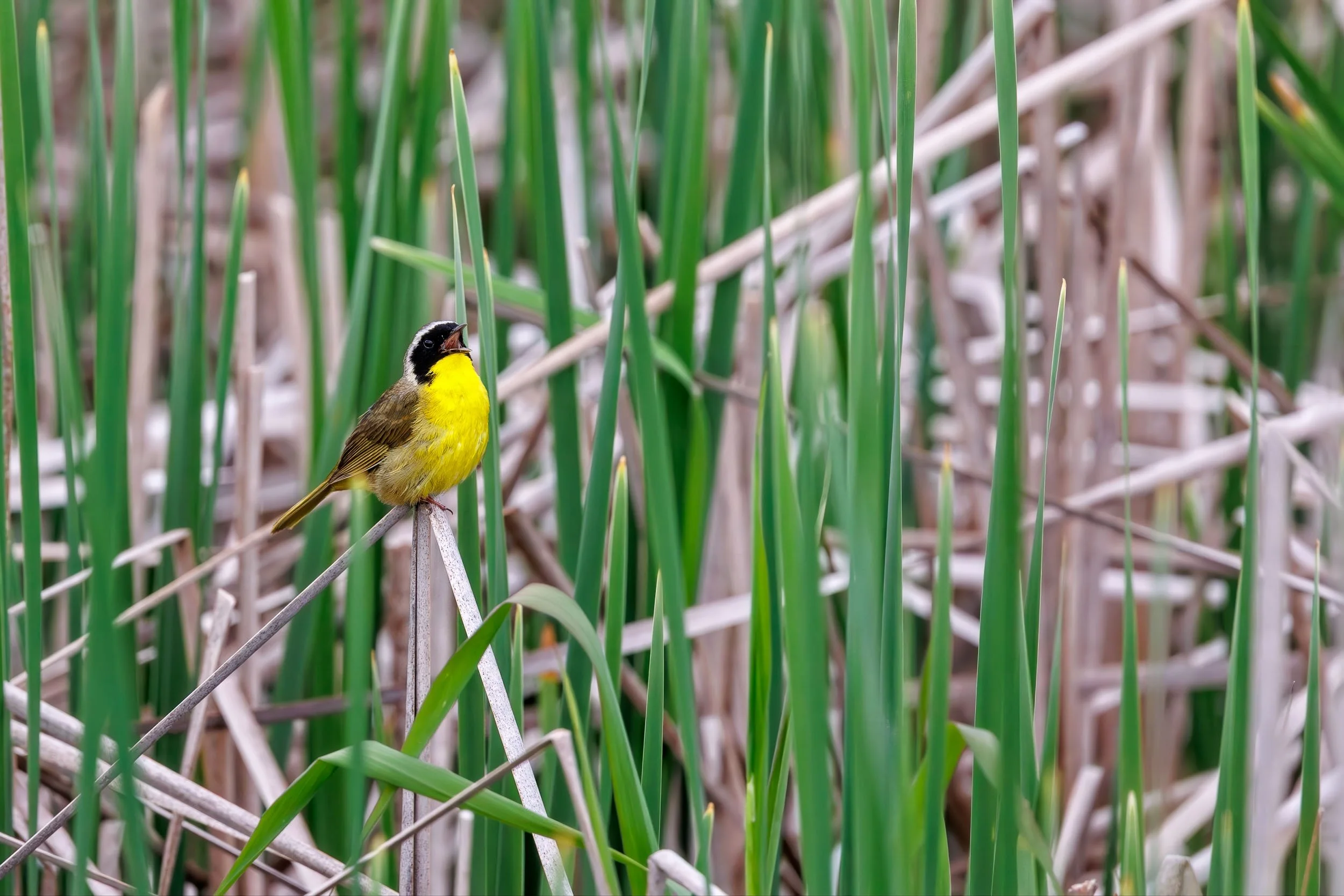
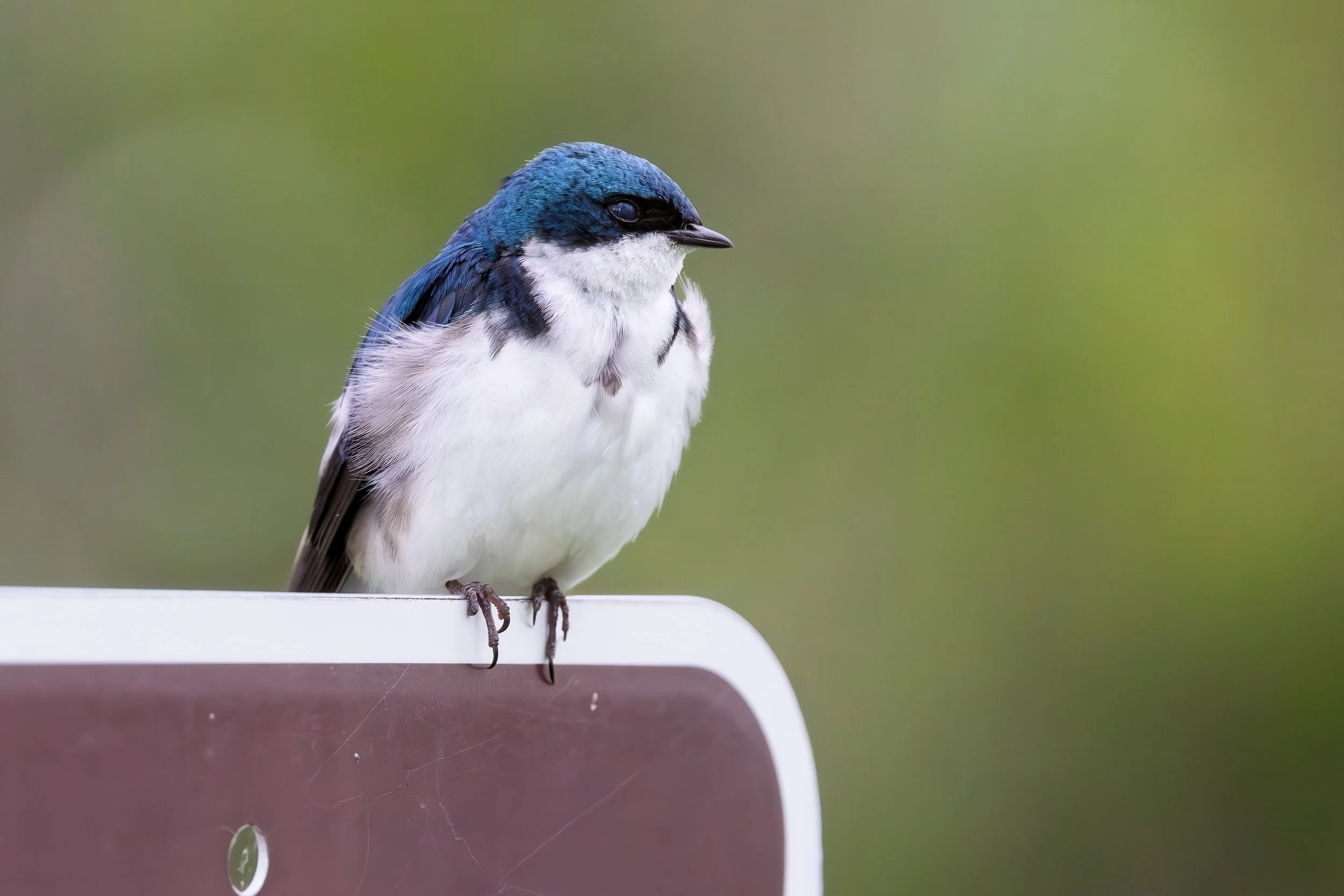
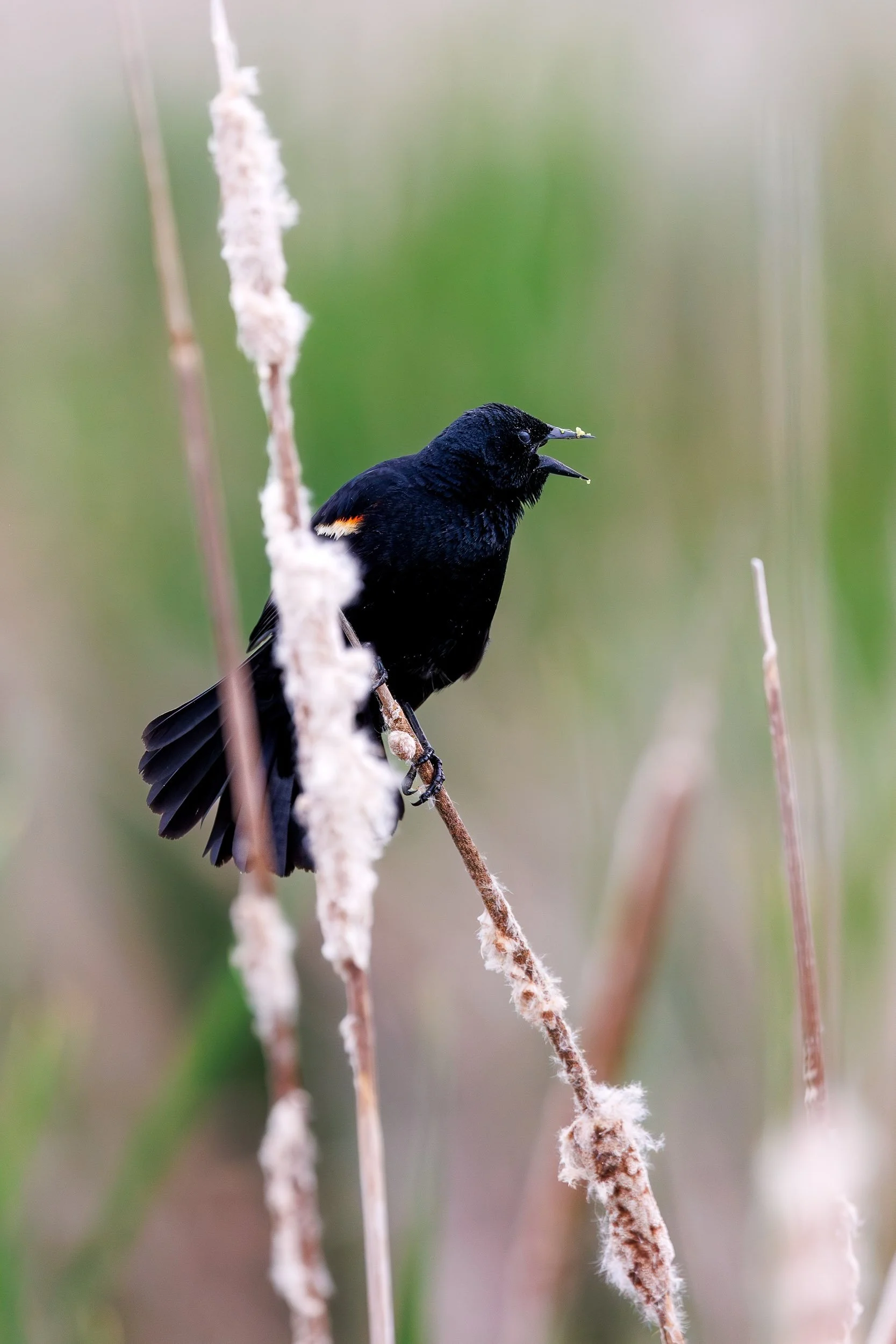
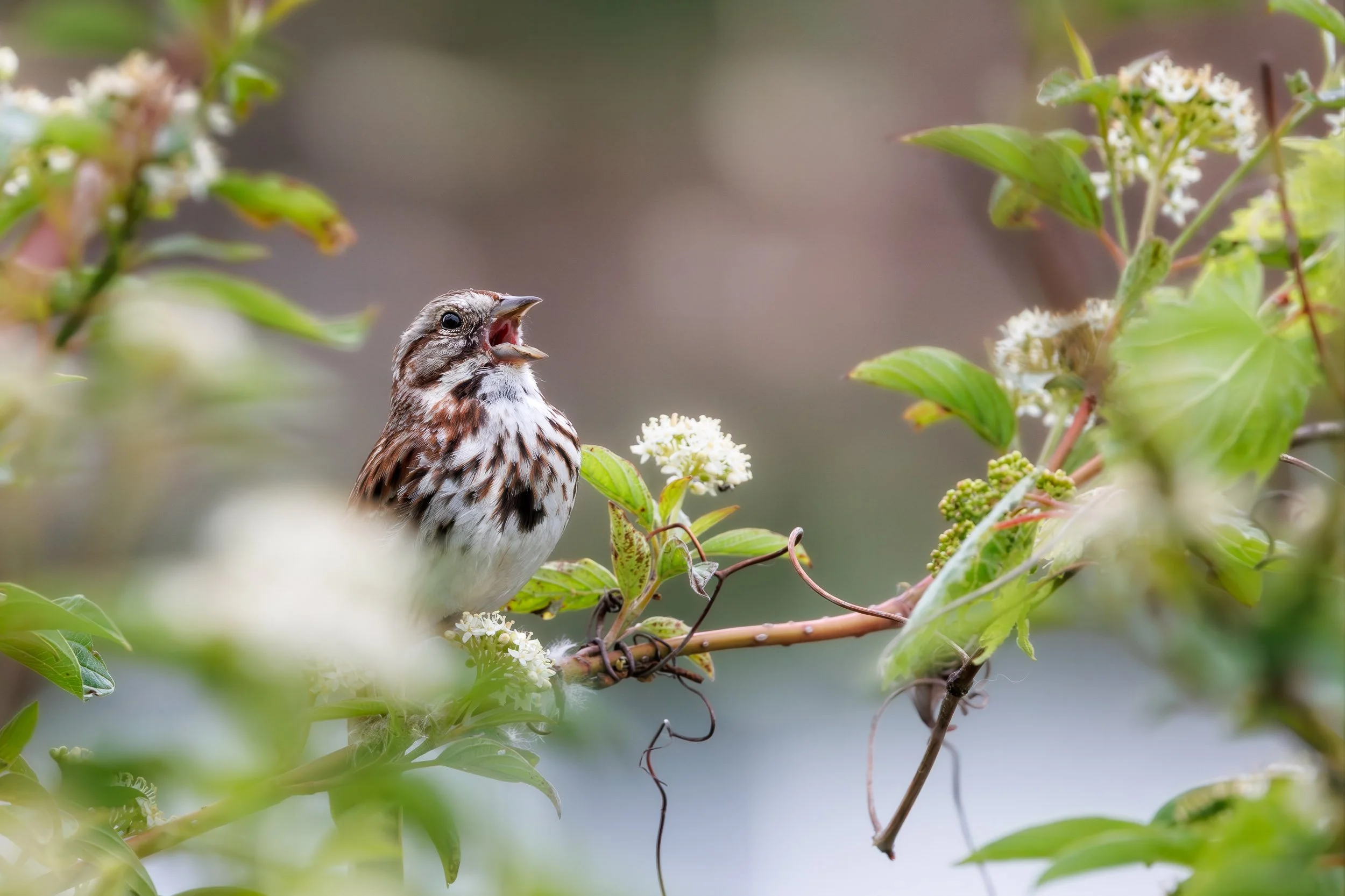
Even a few hours at Horicon Marsh offers a glimpse into the extraordinary bird diversity supported by this vast wetland ecosystem. During a recent day trip, I photographed a few of the species that inhabit or migrate through the marsh. While the birds highlighted here represent only a fraction of the hundreds of species recorded at Horicon Marsh, they illustrate the variety of ecological niches found within the marsh, from open-water habitats and cattail stands to shrubby edges and shallow feeding areas.
Horicon Marsh is one of the most important freshwater wetland ecosystems in North America. Covering more than 33,000 acres in southeastern Wisconsin, the marsh consists of open water, emergent vegetation, wet meadows, and upland habitat that together support diverse population of wildlife. Situated within the Mississippi Flyway migration corridor, Horicon Marsh serves as a critical stopover and breeding area for hundreds of bird species, making it one of the premier birding destinations in the Midwest.
Birds at the Horicon Marsh State Wildlife Area
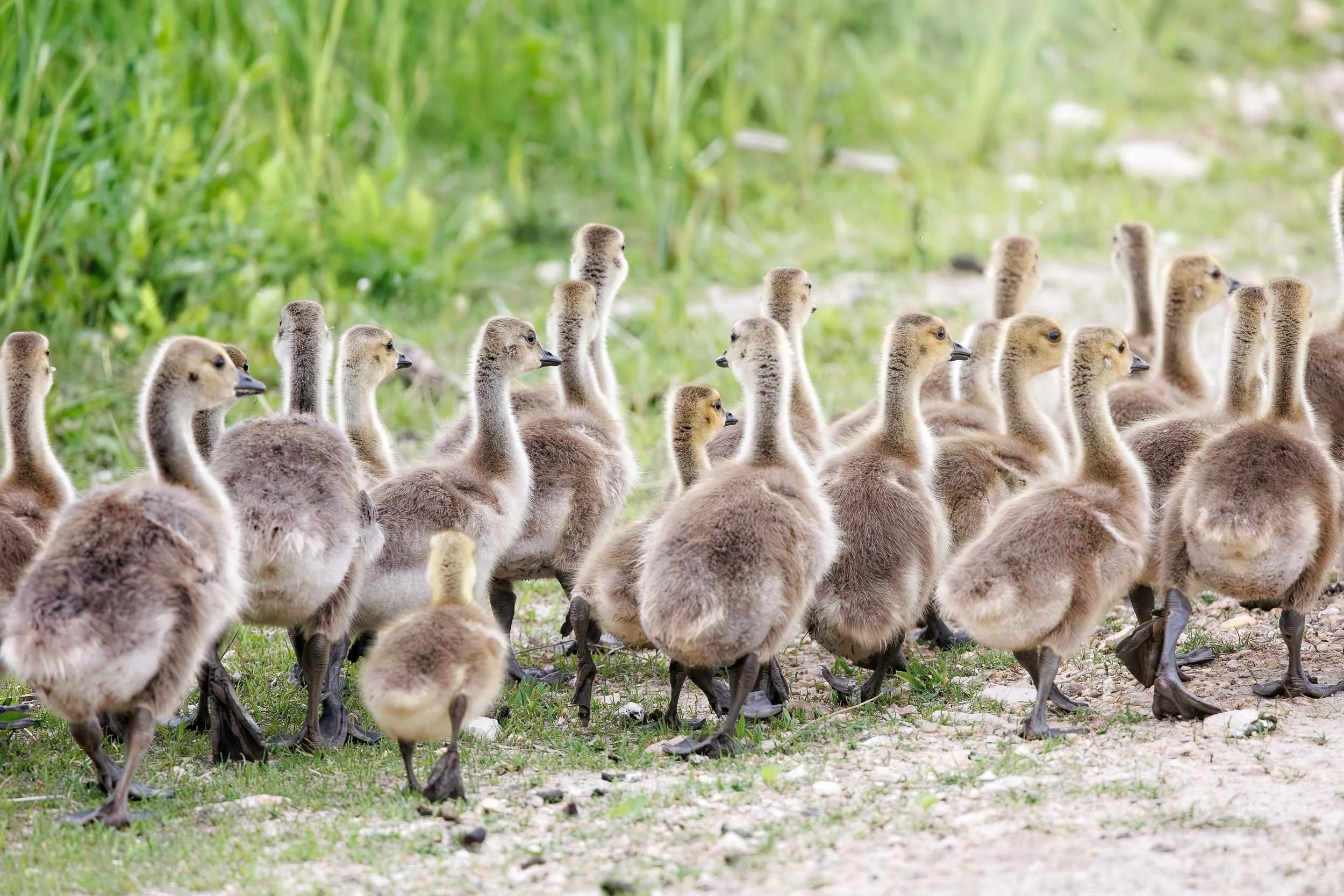
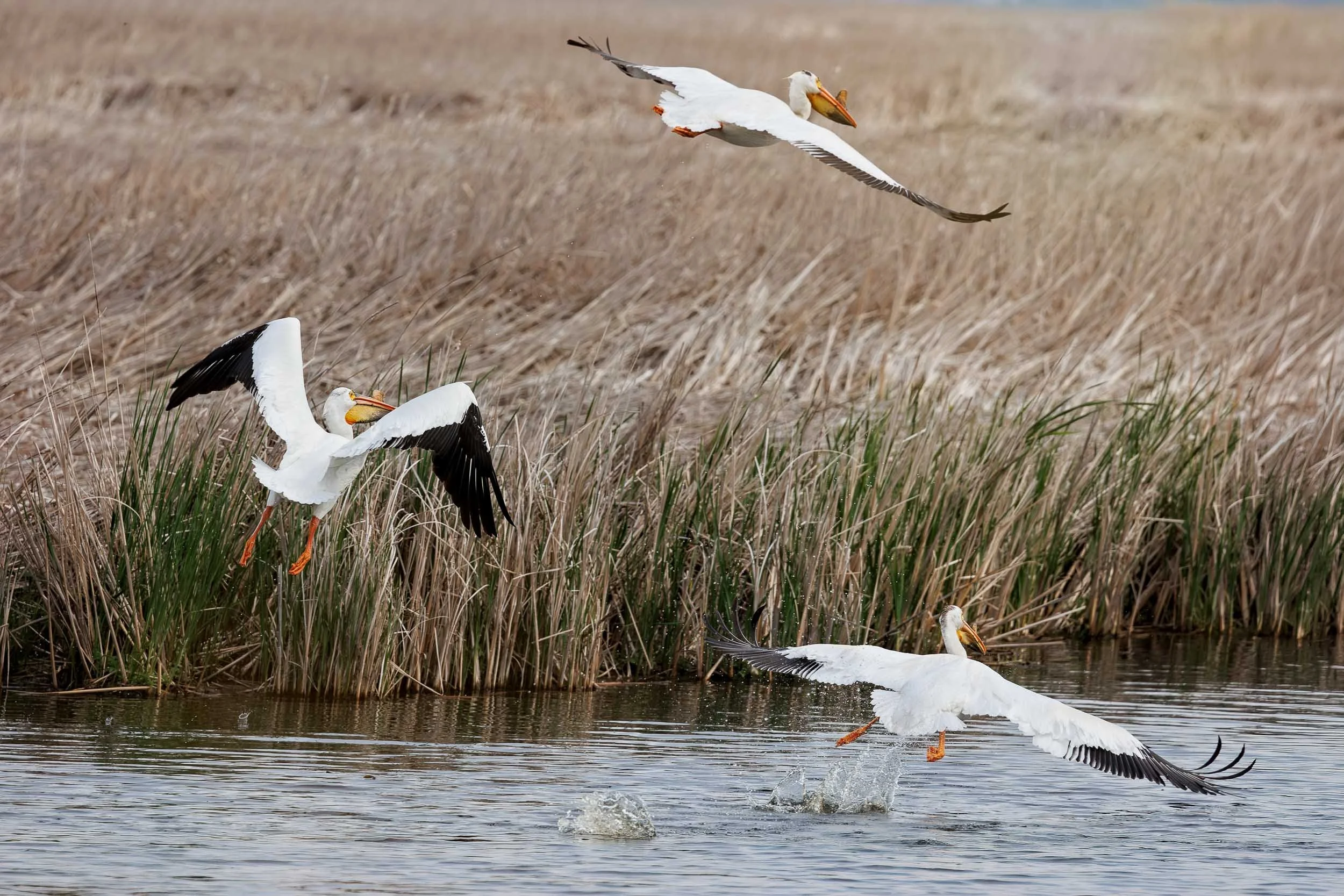
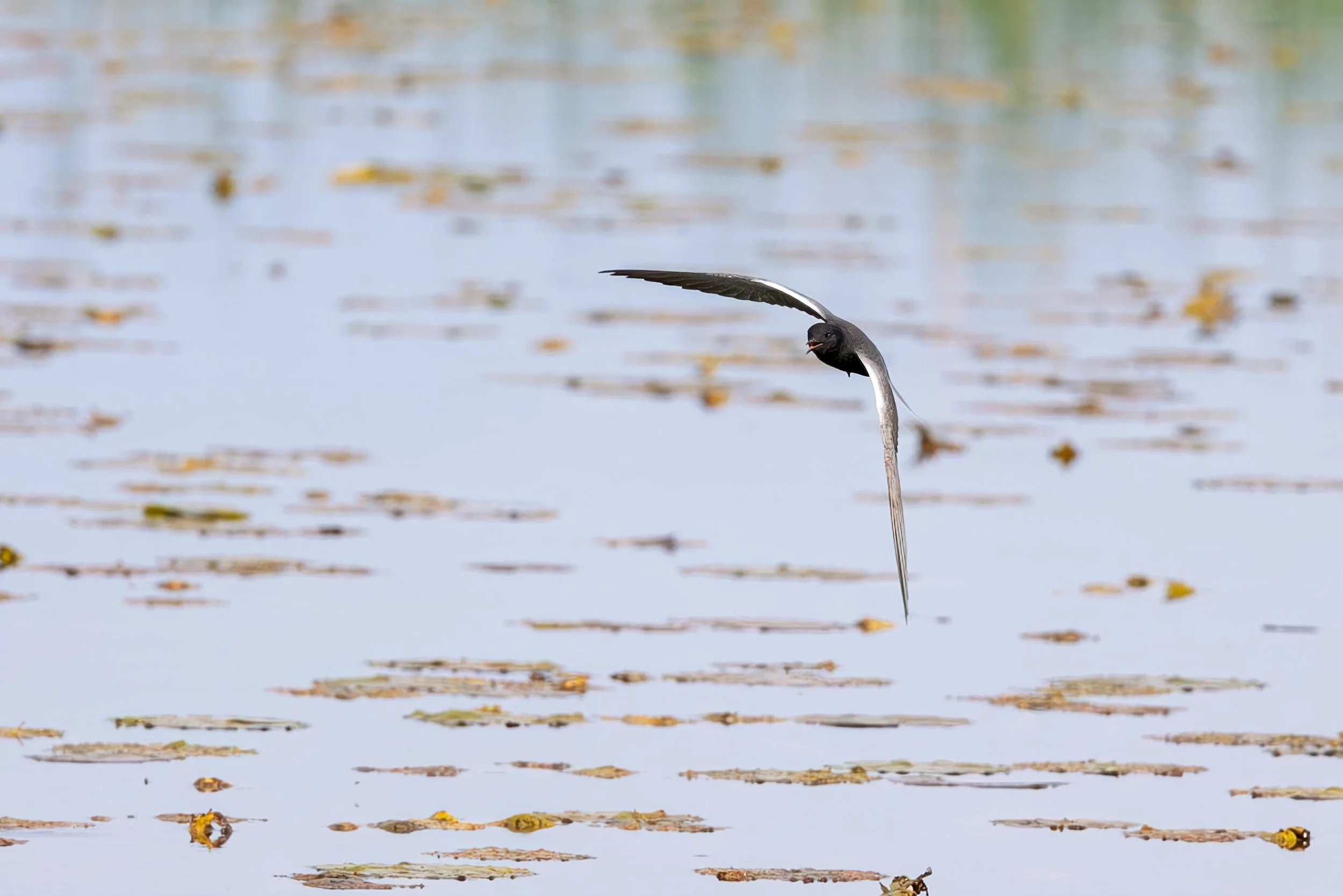
The Horicon Marsh State Wildlife Area spans roughly 11,000 acres along the southern third of the marsh and the variety of birds found here reflects the diversity of habitats available within the wetland. Waterfowl are among the most prominent residents and seasonal visitors. Canada Geese nest throughout the marsh, raising goslings in sheltered waters where abundant vegetation provides both food and protection. Blue-winged Teal, among the earliest ducks to migrate north each spring, utilize the shallow wetlands for nesting and feeding. American White Pelicans, once rare in Wisconsin, have expanded their range significantly and are now a common seasonal sight at Horicon Marsh. Overhead, Tree Swallows and Black Terns perform agile aerial maneuvers.
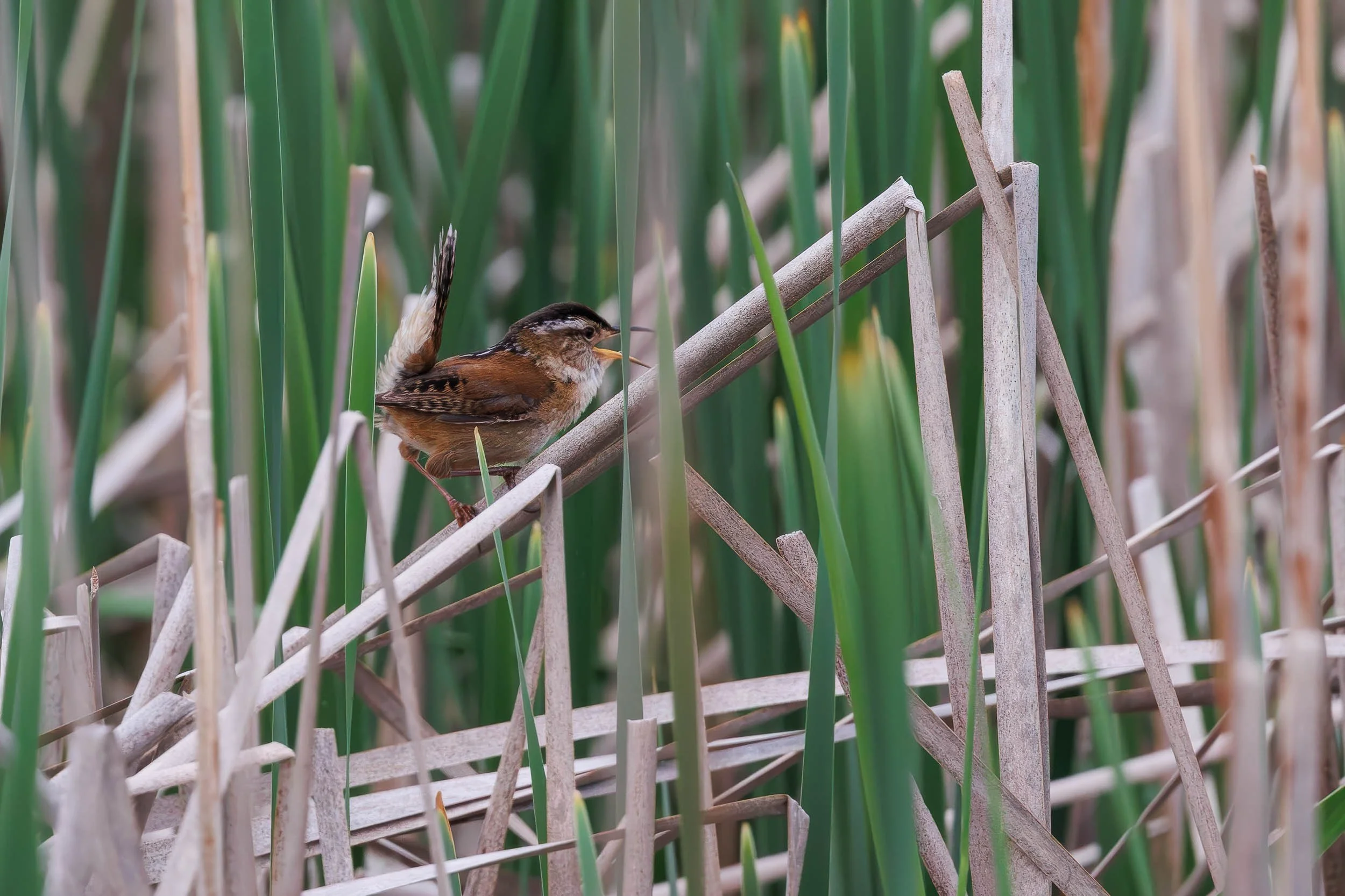
Dense stands of cattails, bulrushes, and sedges provide ideal habitat for numerous marsh-dependent songbirds. Common Yellowthroats and Marsh Wrens are characteristic wetland specialists whose vocalizations are among the defining sounds of the marsh during the breeding season. Song Sparrows occupy shrubby edges and transitional habitats, demonstrating the adaptability that has made them one of North America's most widespread songbirds.
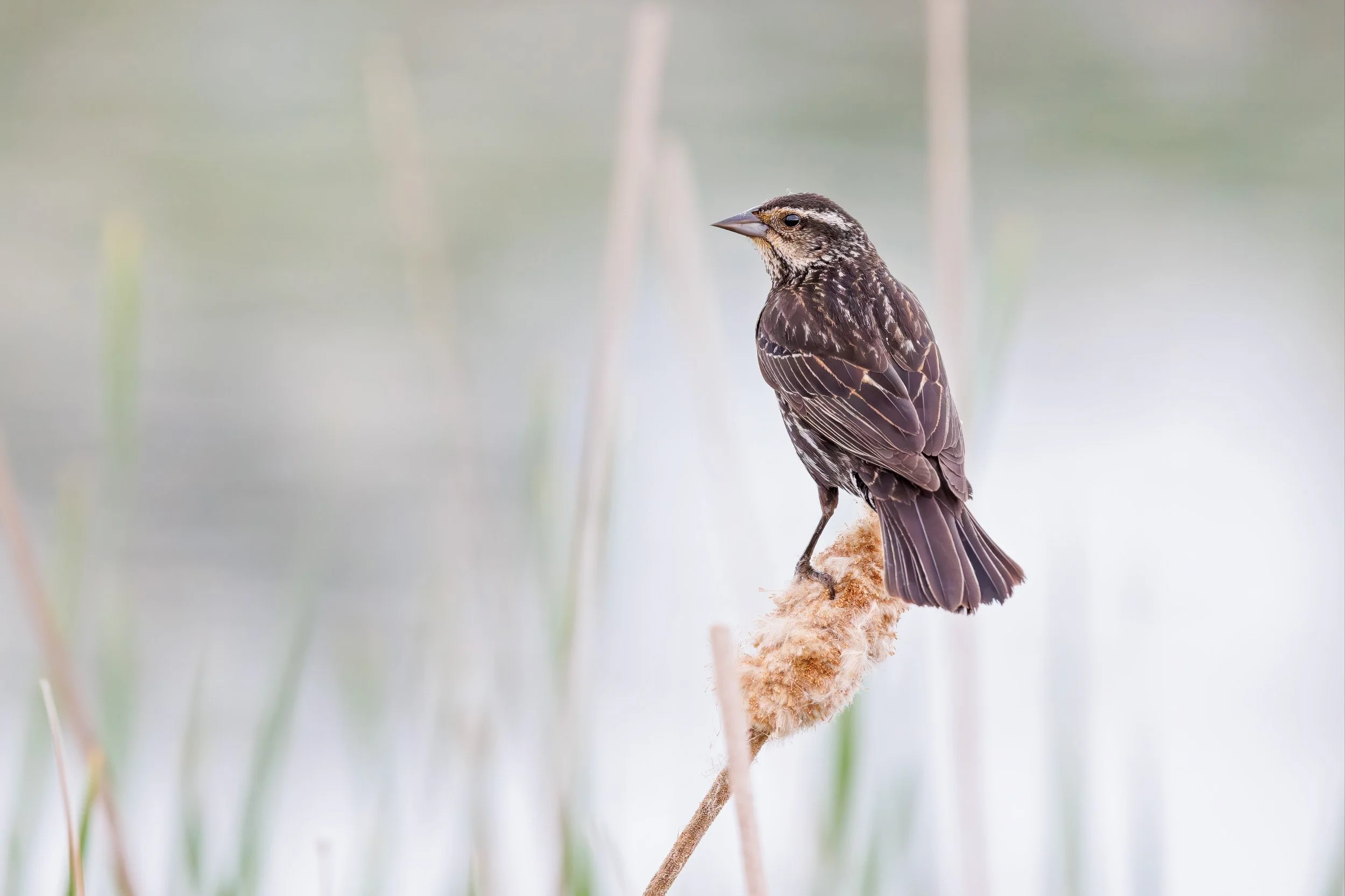
Red-winged Blackbirds are among the marsh's most recognizable breeding birds. Their striking sexual dimorphism is readily apparent: males display glossy black plumage accented by bright red and yellow shoulder patches, while females exhibit heavily streaked brown plumage that provides effective camouflage among the vegetation.
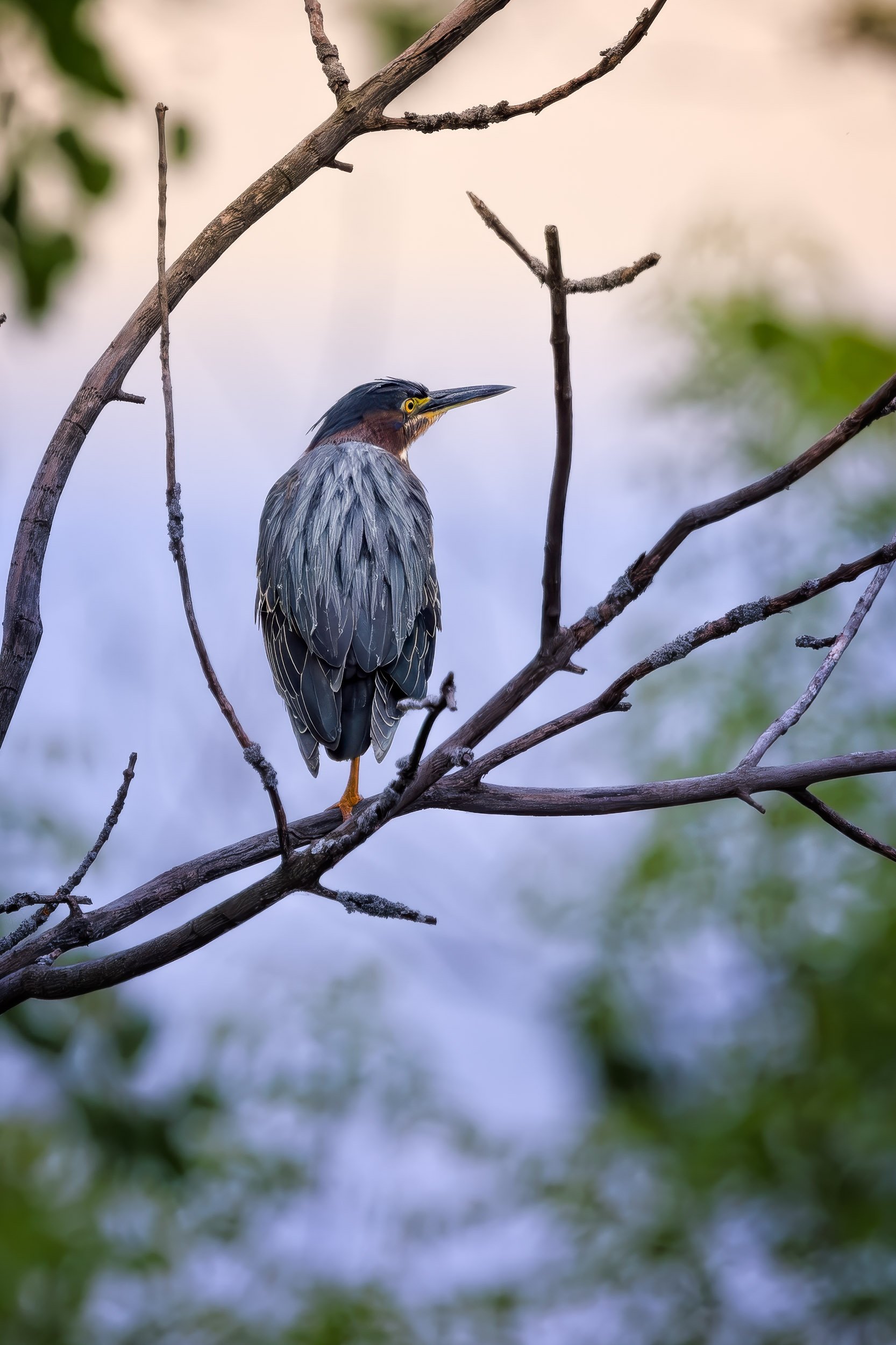
Wading birds add another dimension to the marsh ecosystem. Great Blue Herons patrol shallow waters in search of fish, amphibians, and small mammals, while the smaller Green Heron relies on stealth and patience to capture prey along vegetated shorelines.
Photography Gear
All of the photographs in this gallery were captured with a Canon R6 paired with a Canon RF 100-500mm f/4.5-7.1L IS USM lens. This combination is particularly well suited for bird photography, providing the reach needed to photograph distant subjects while maintaining excellent image quality and autofocus performance. The versatility of the 100-500mm zoom range made it possible to photograph a variety of species, from small songbirds hidden among the marsh vegetation to larger waterfowl and wading birds across open water. In a dynamic environment such as Horicon Marsh, where wildlife encounters can occur at a wide range of distances, this setup offered both flexibility and mobility throughout the day.