
Why the New Orleans French Quarter is a Photographer’s Paradise
There are few places in America that offer as many photographic opportunities in such a compact area as the French Quarter in New Orleans.
Within a few blocks, you can photograph historic architecture, vibrant street life, iconic landmarks, intricate ironwork, colorful facades, hidden courtyards, and centuries of history. Whether you're carrying a professional camera or simply exploring with a smartphone, the French Quarter seems designed to reward photographers who slow down and pay attention to the details.
During a recent visit to New Orleans, I spent several mornings wandering the Quarter before the crowds arrived. The quiet streets, soft light, and historic surroundings created endless opportunities to capture images that reflect the unique character of the city. Afternoon and evening walks provided an entirely different vibe and even more opportunities to make great images.
Jackson Square and St. Louis Cathedral
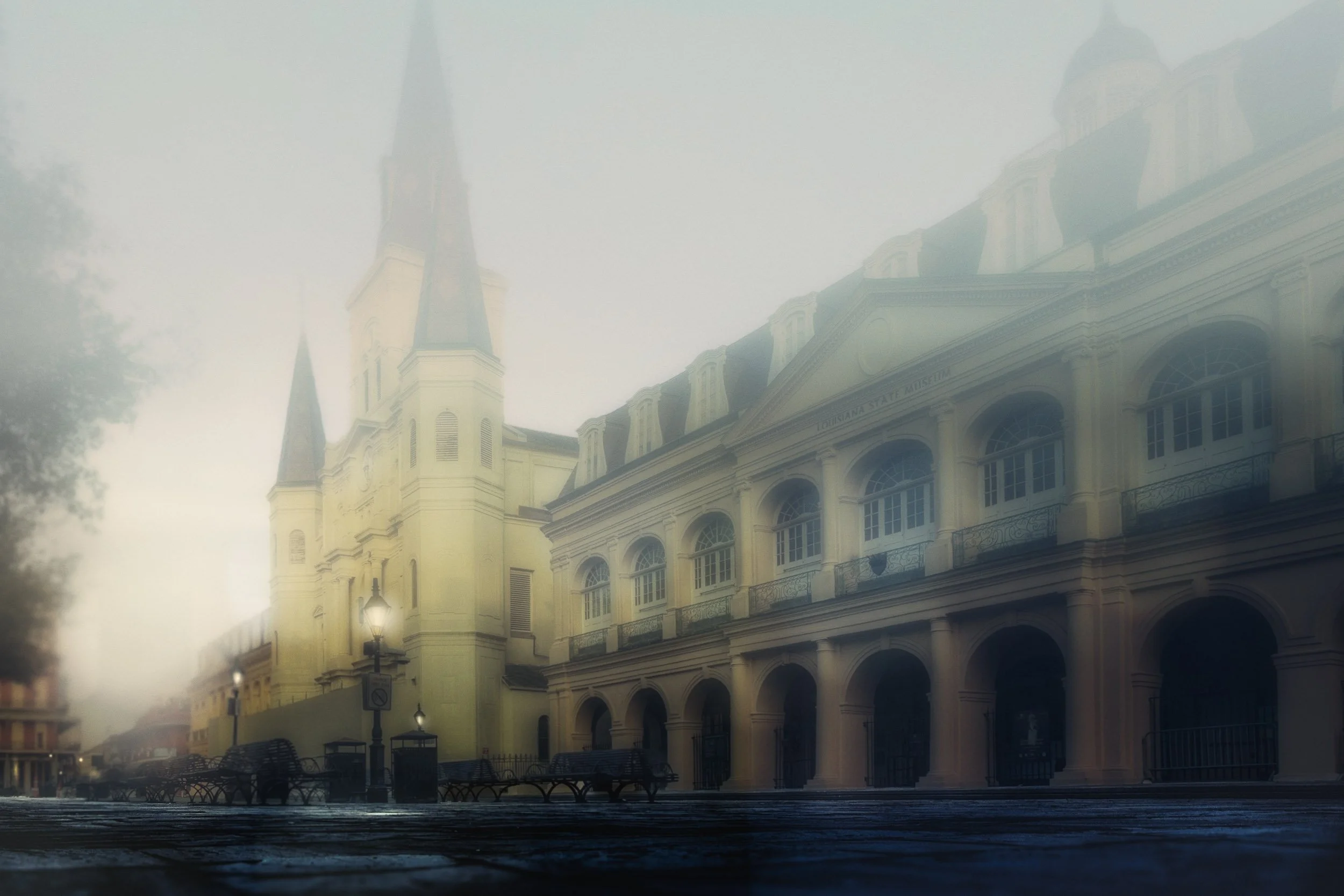
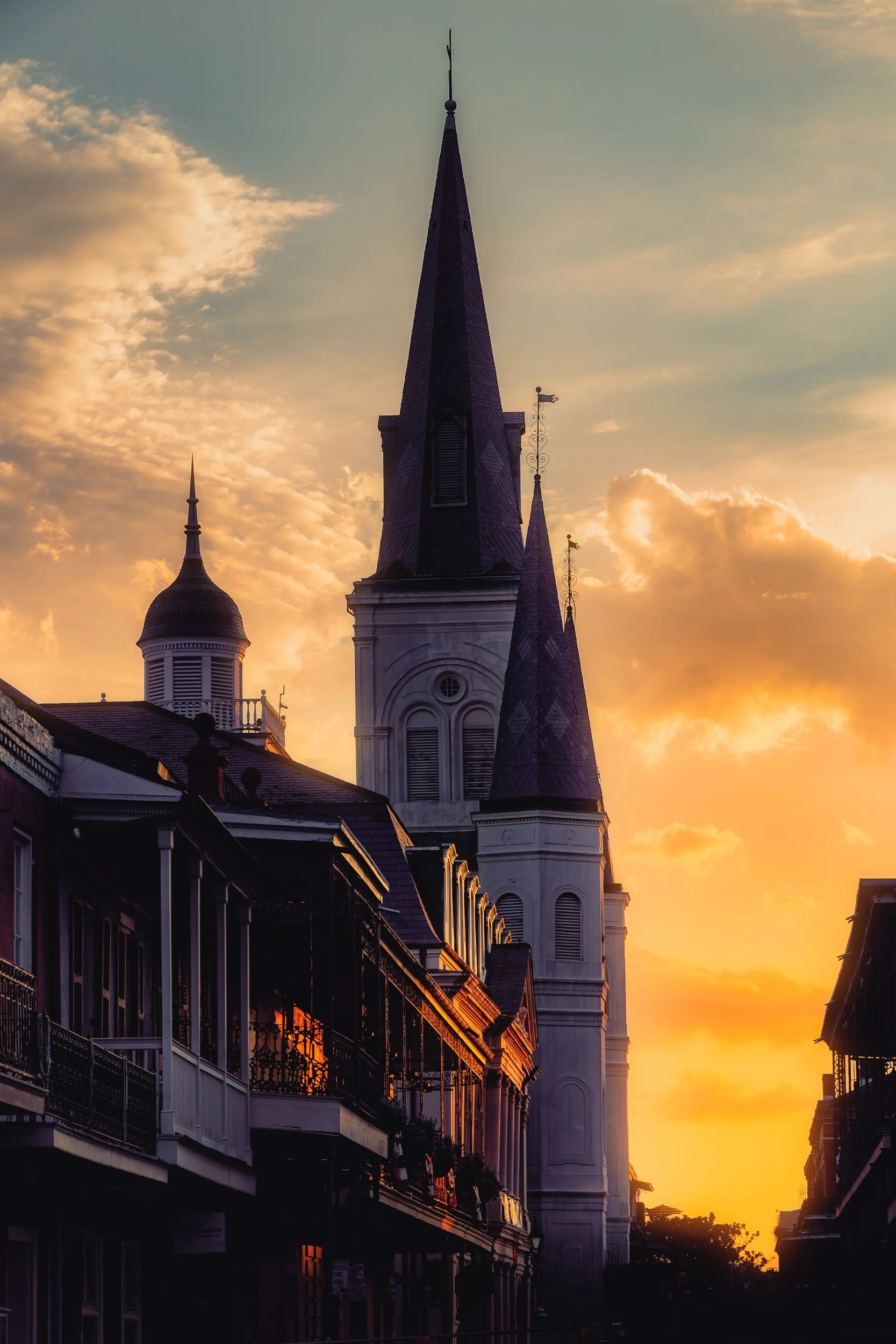
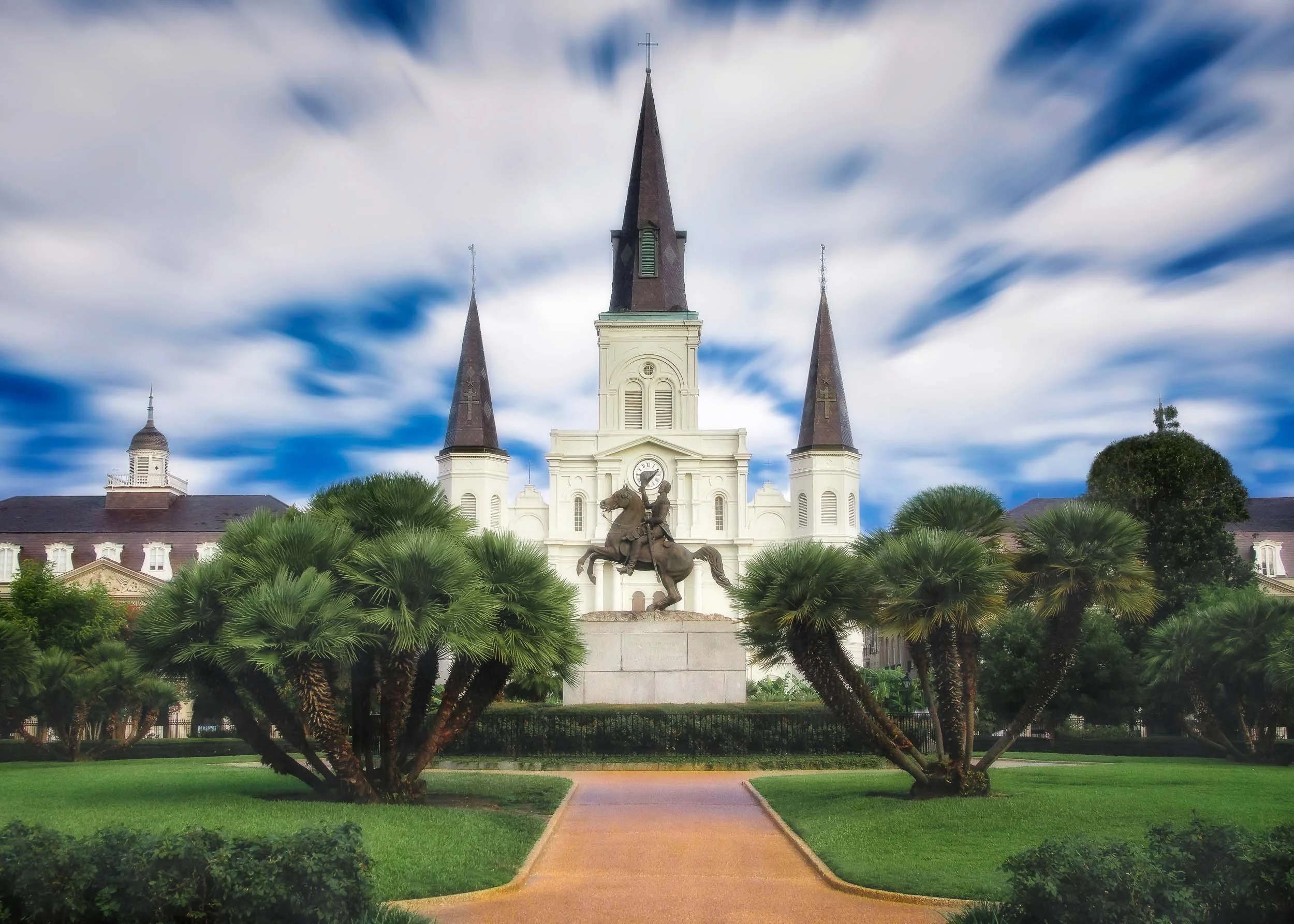
No photographic tour of the French Quarter would be complete without Jackson Square and St. Louis Cathedral. As one of the most recognizable landmarks in New Orleans, the cathedral dominates the skyline and serves as a natural focal point for photographers. Early morning is particularly rewarding. The softer light enhances the architectural details while the nearly empty square creates a completely different atmosphere than the bustling scene found later in the day. From wide-angle views of the cathedral rising above the square to tighter compositions that emphasize architectural details, this area offers countless possibilities for both visitors and photographers.
The Beauty of French Quarter Architecture
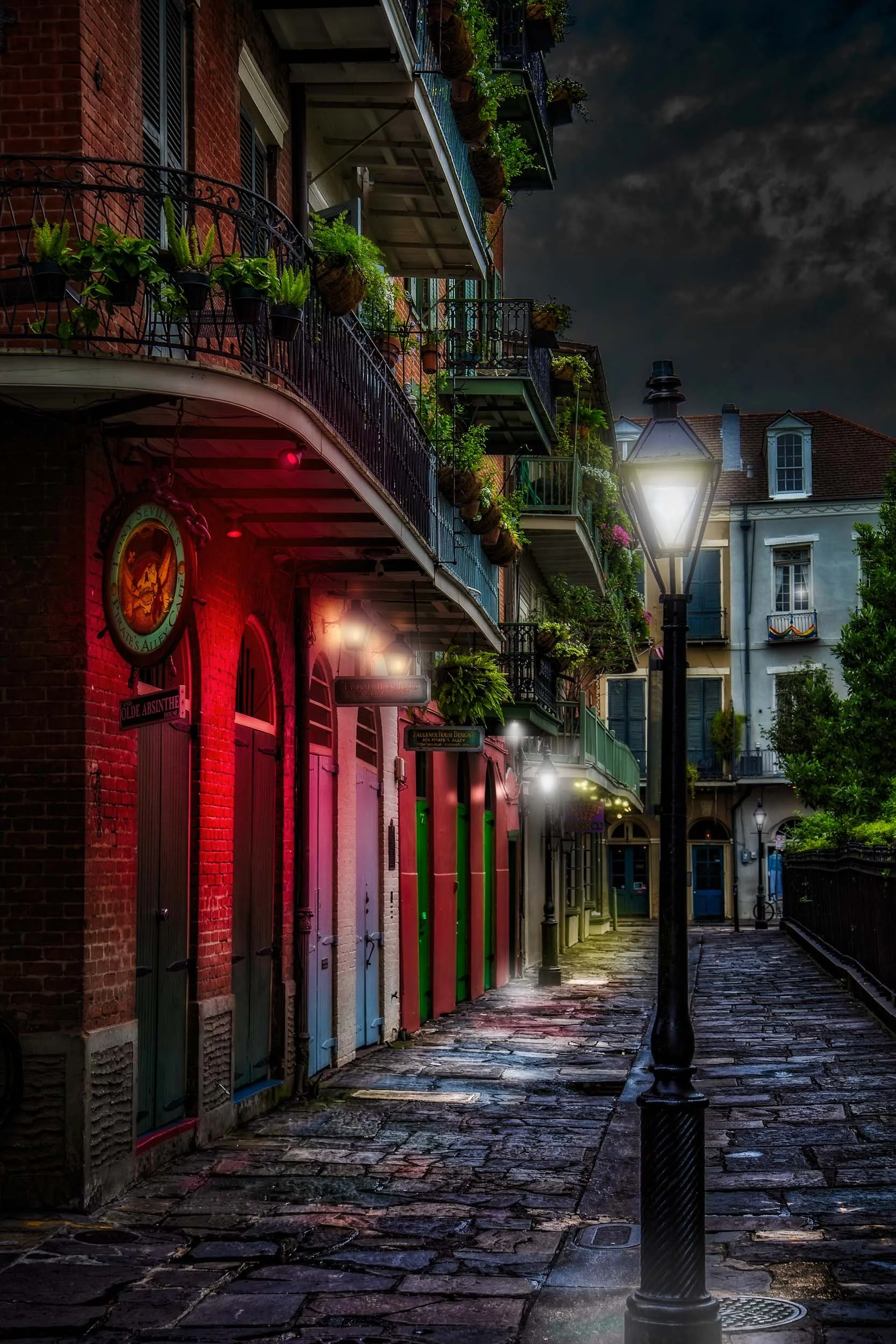
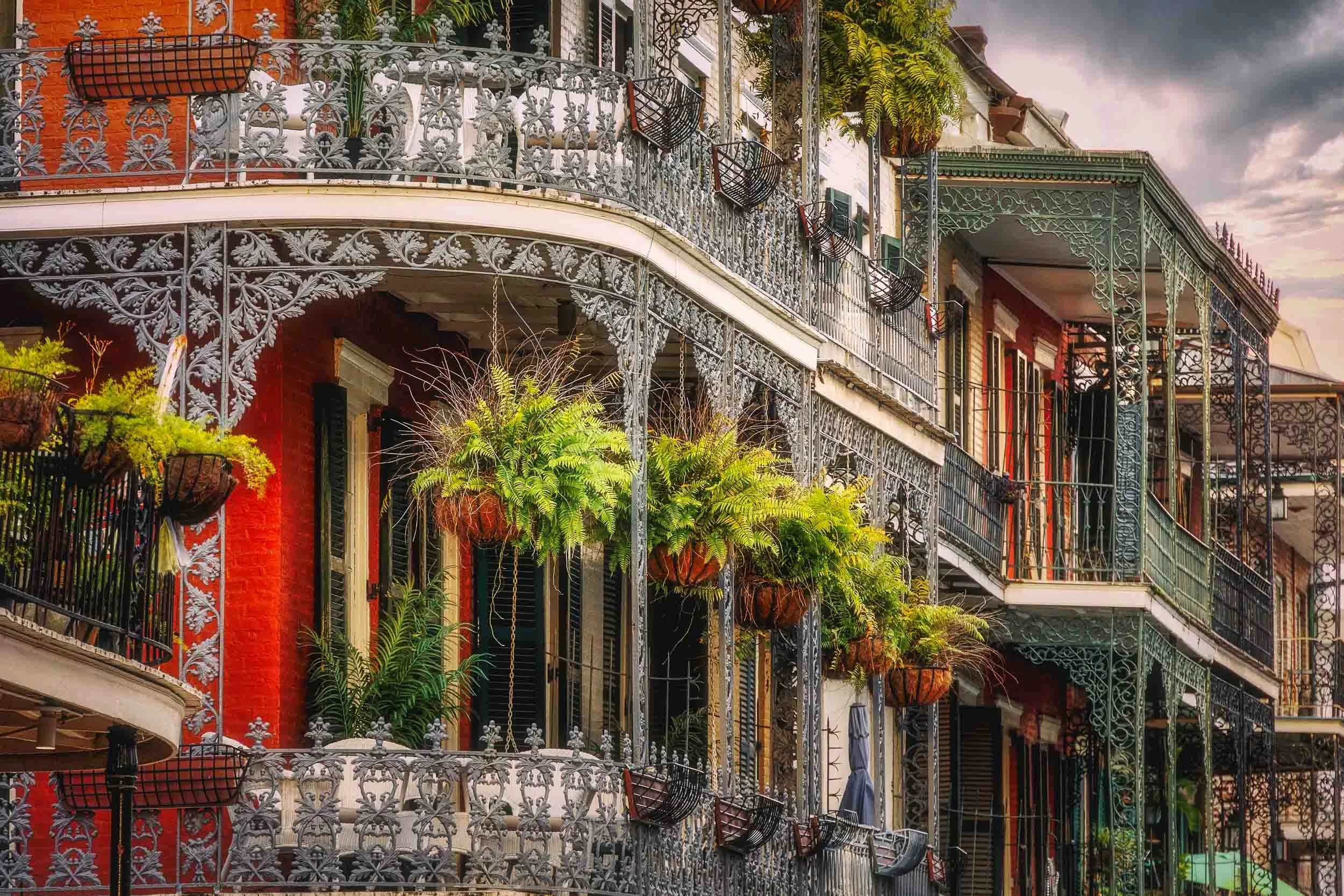
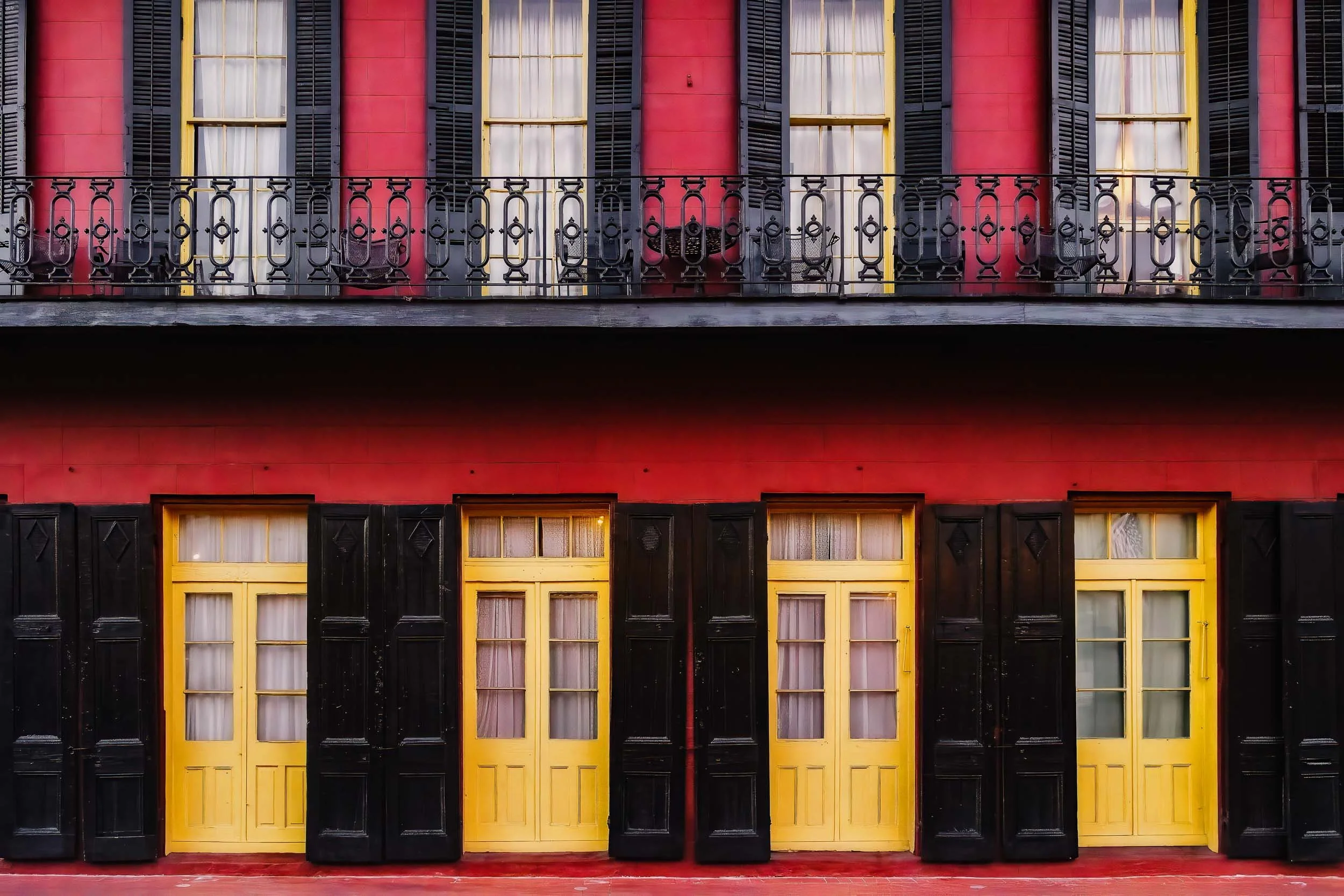
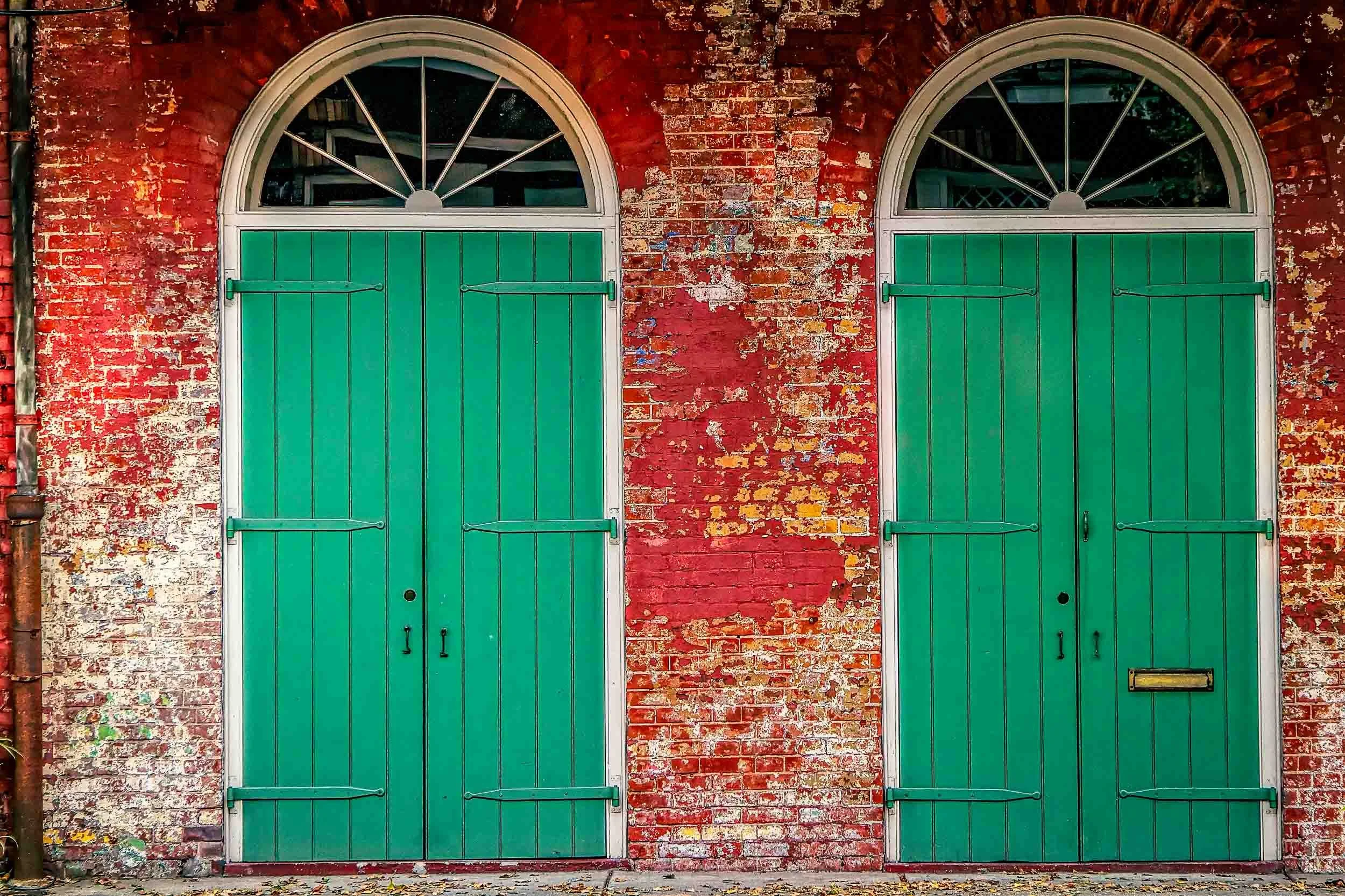
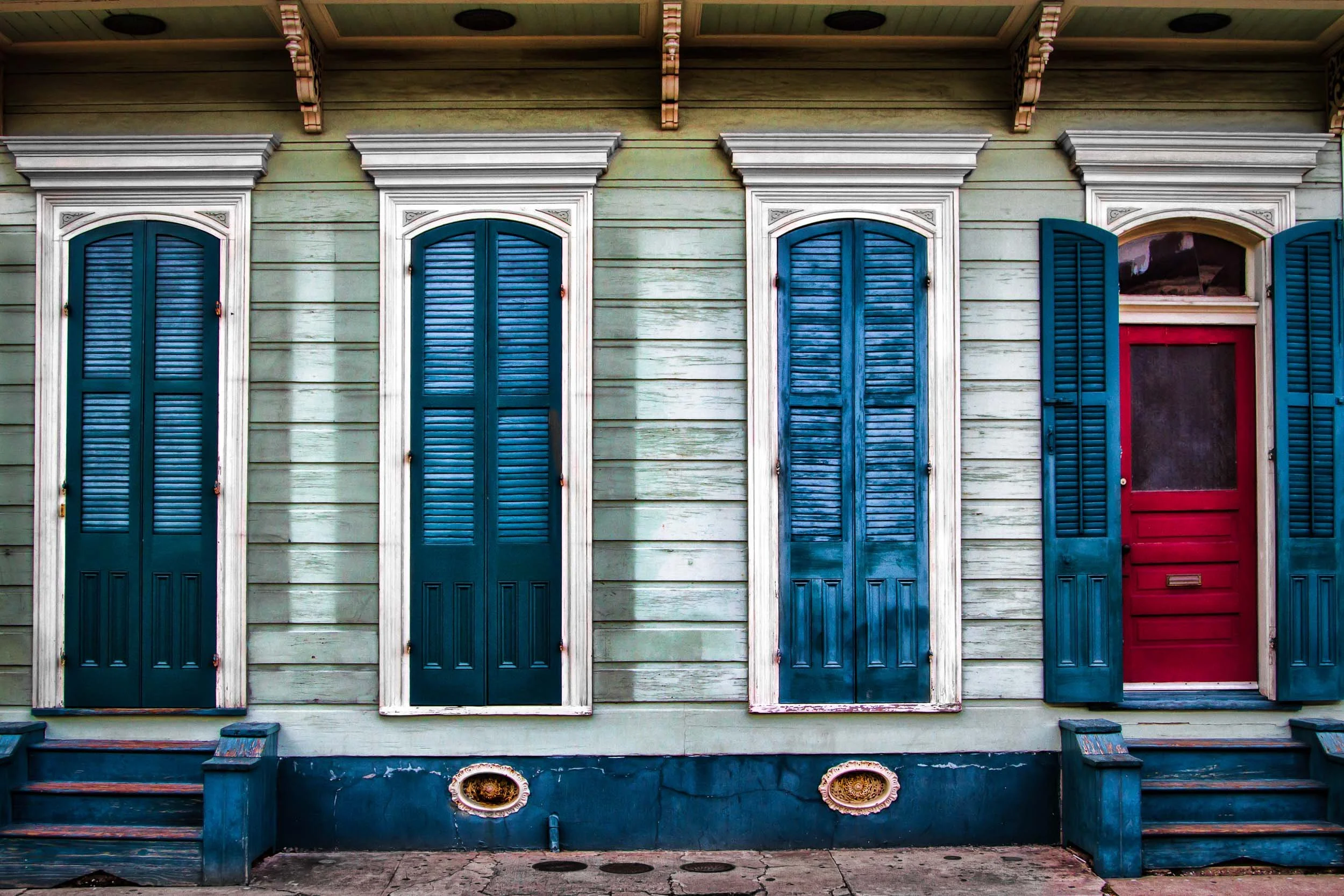
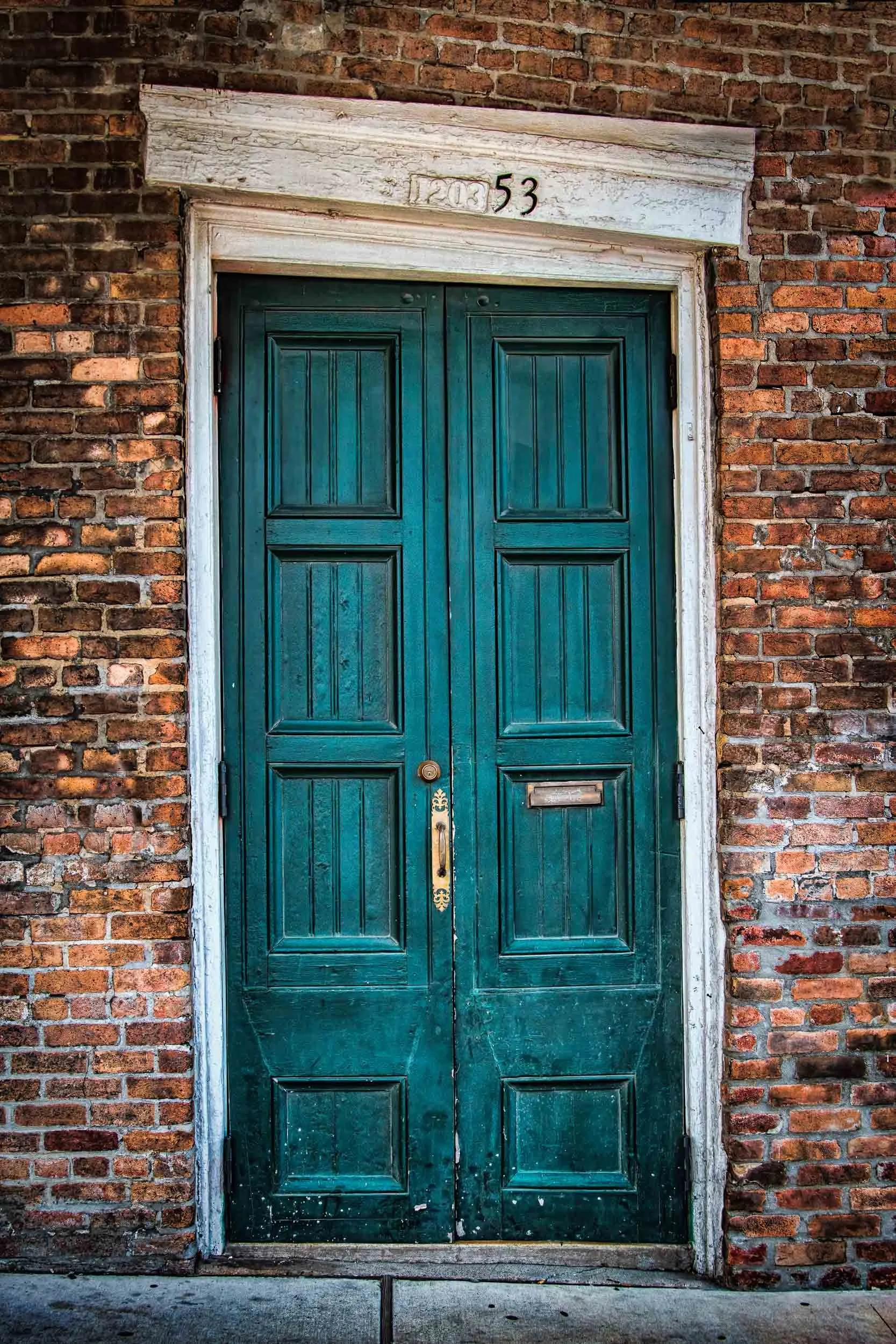
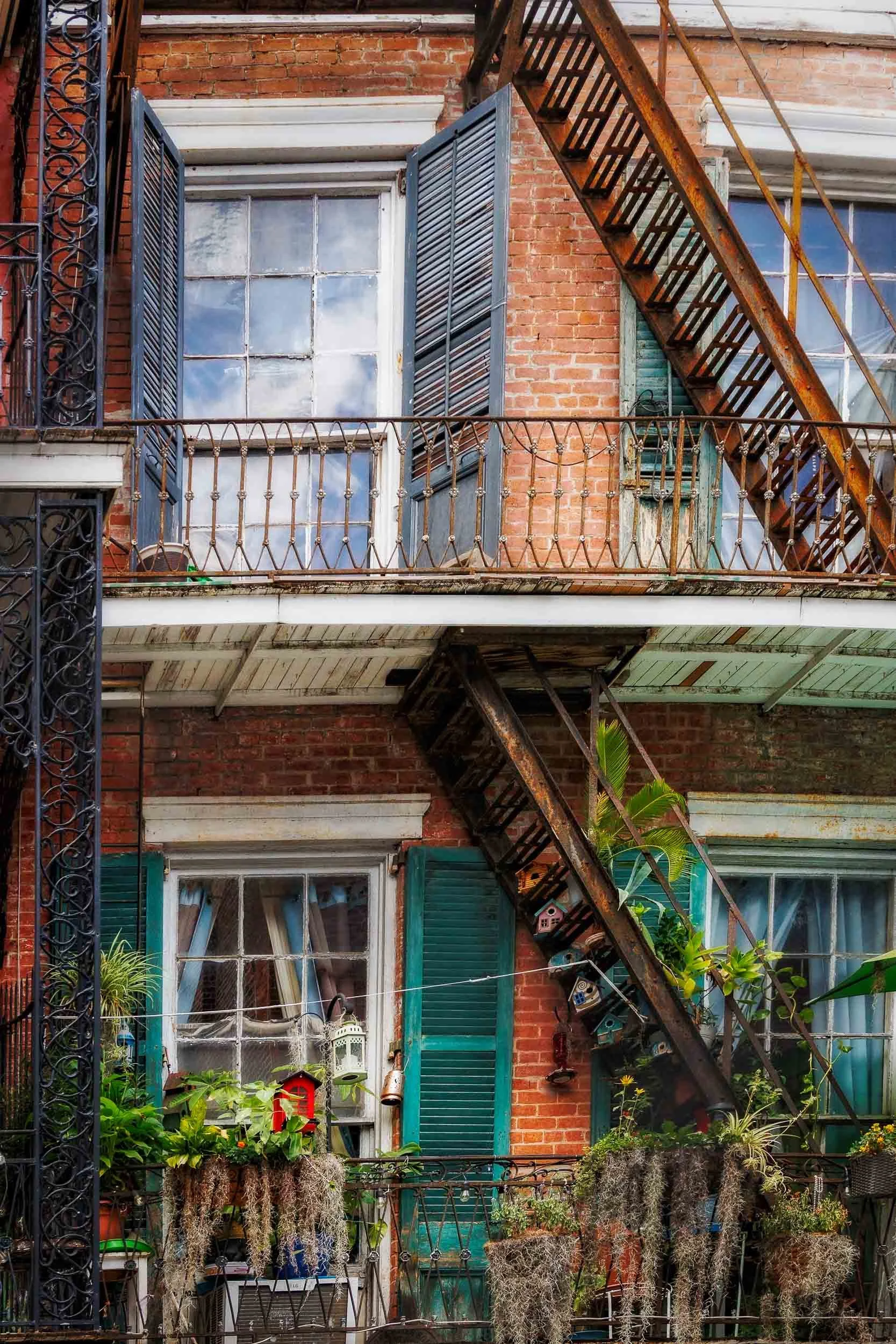
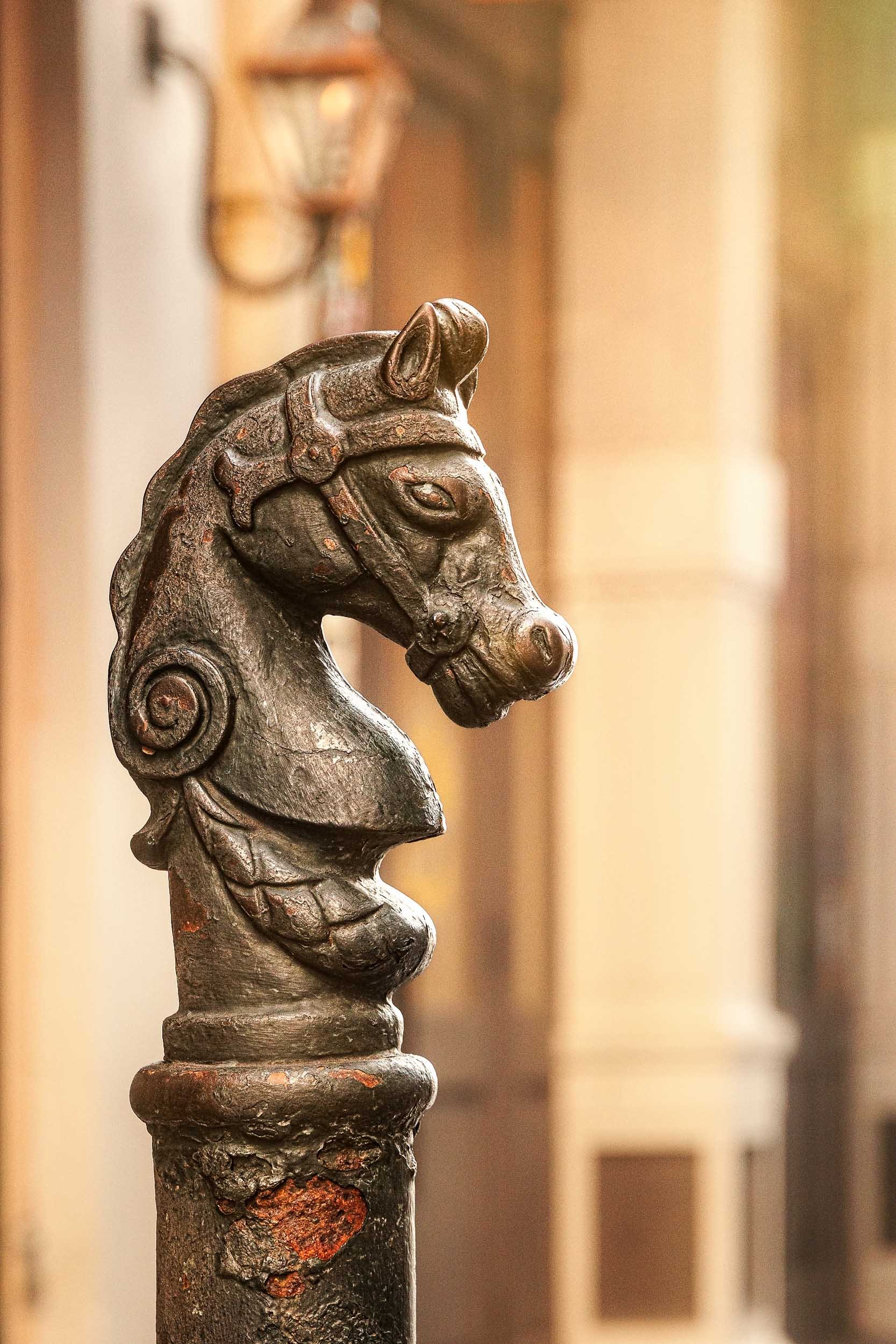
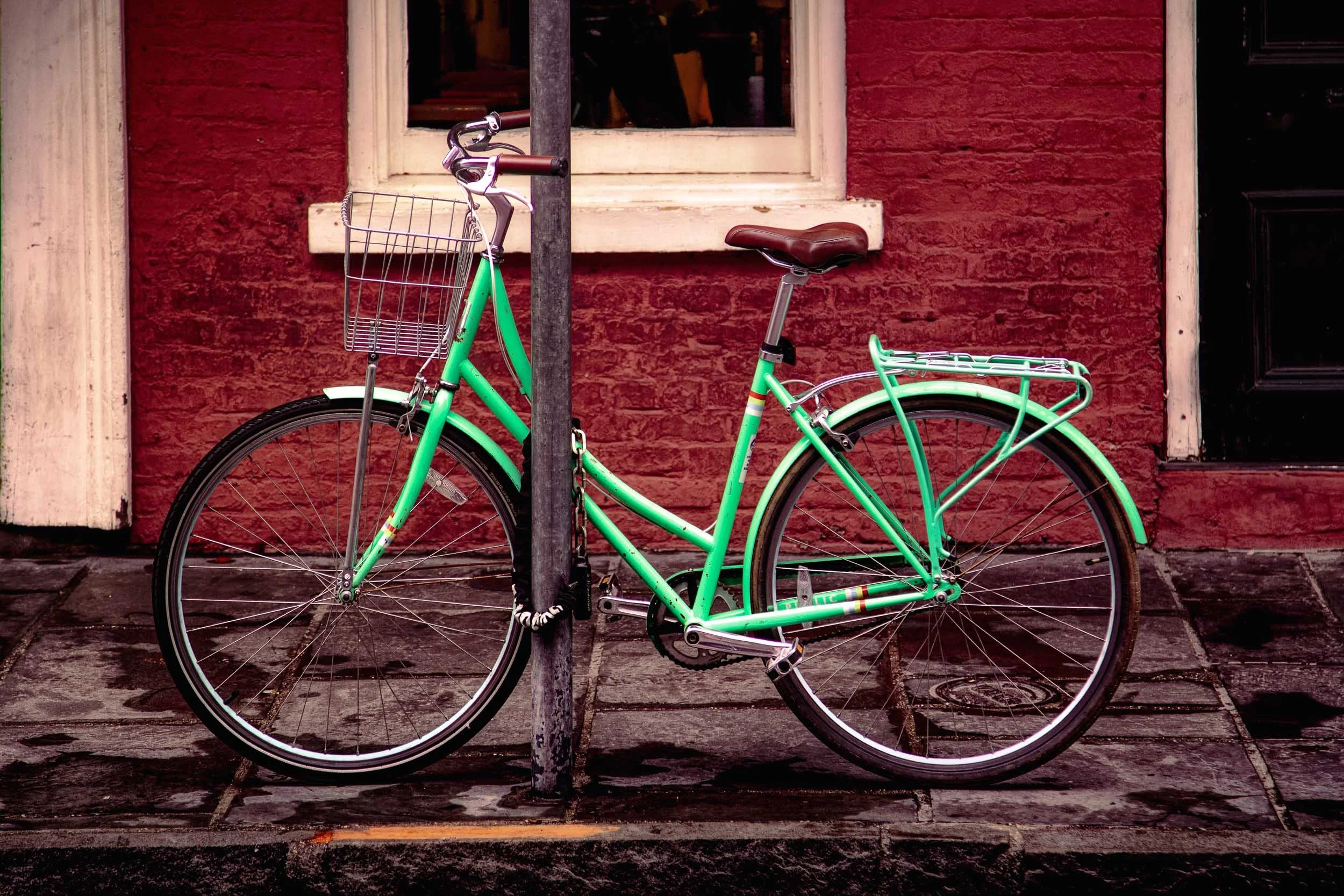
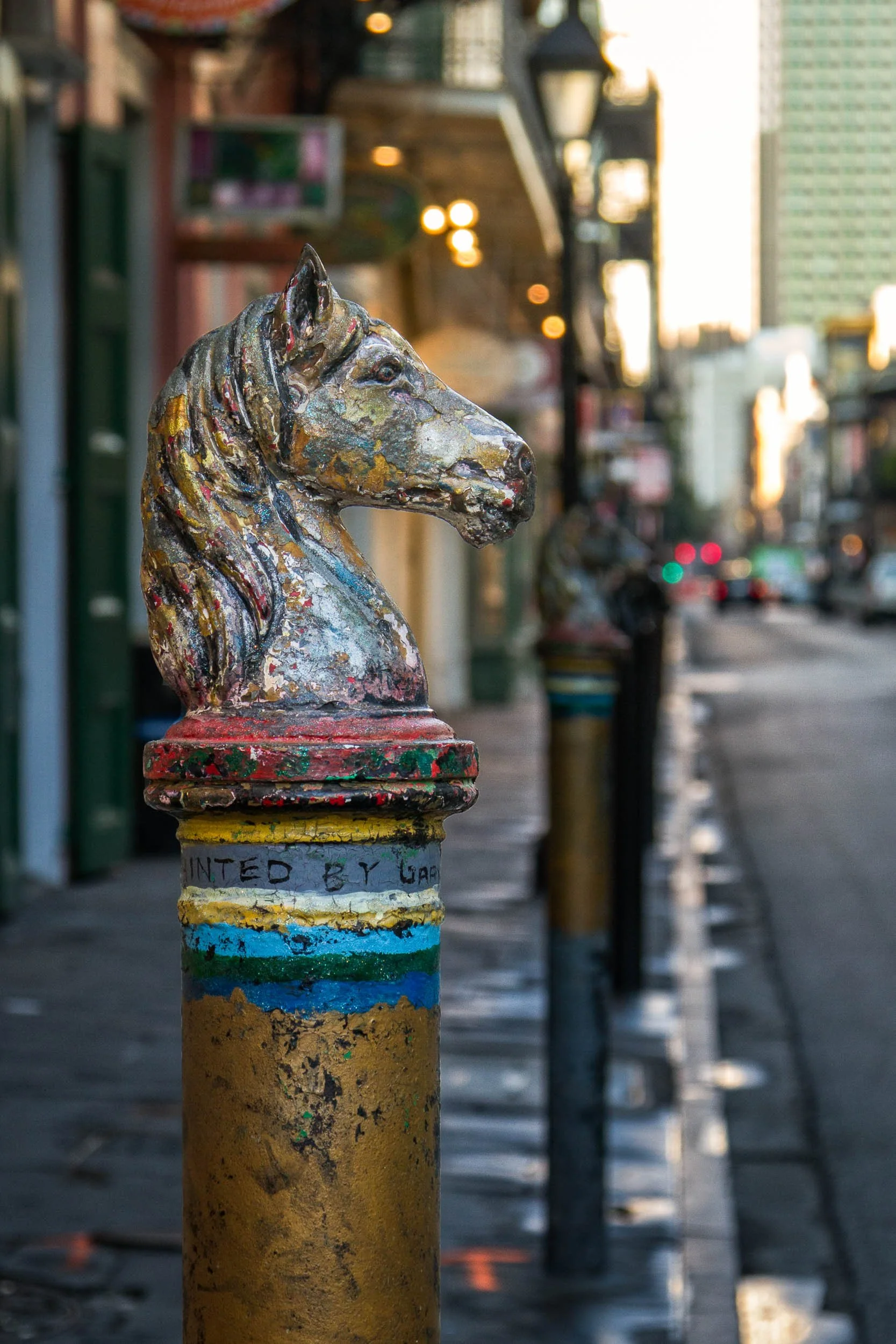
One of the things that makes the French Quarter so visually compelling is its architecture. Wrought-iron balconies draped with plants, weathered shutters, colorful facades, and ornate doorways create photographic opportunities on nearly every block. Some of the most interesting images aren't of famous landmarks at all, they're found in the details. A single doorway, a row of balconies catching the morning light, or an aging brick wall can tell a story about the city's history and character. The French Quarter rewards photographers who look beyond the obvious and explore the smaller details that many visitors walk past without noticing.
The Streets Tell Their Own Stories
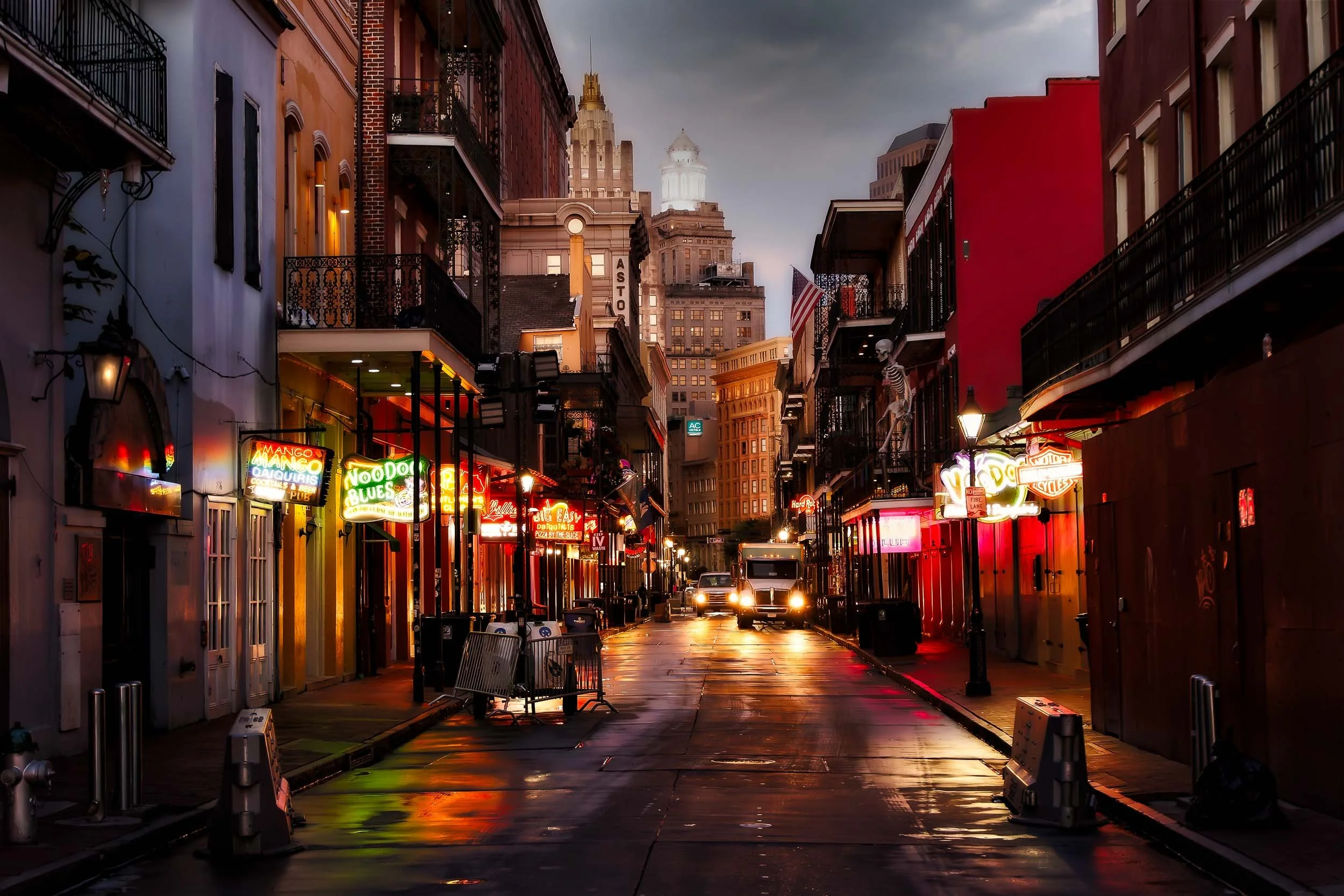
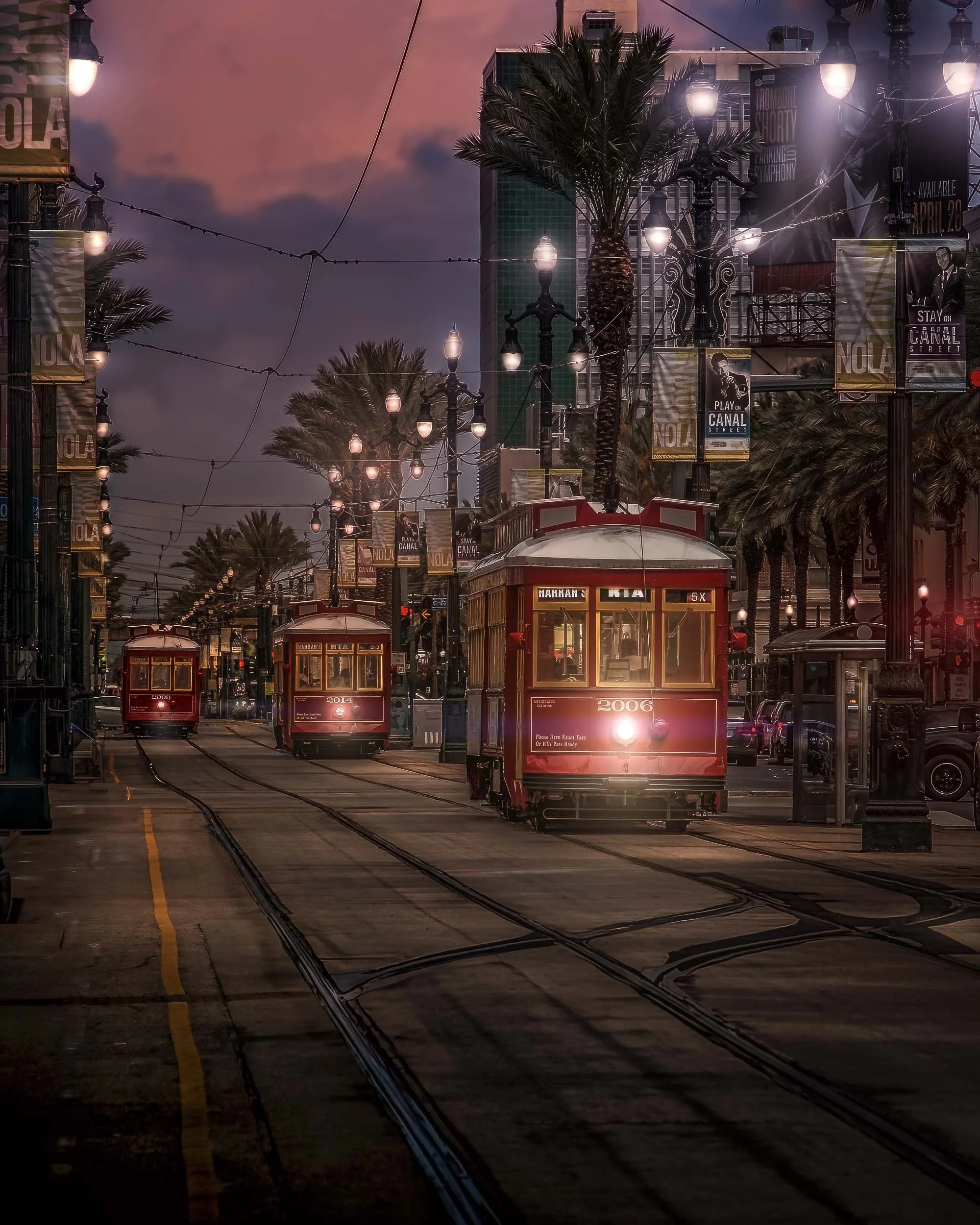
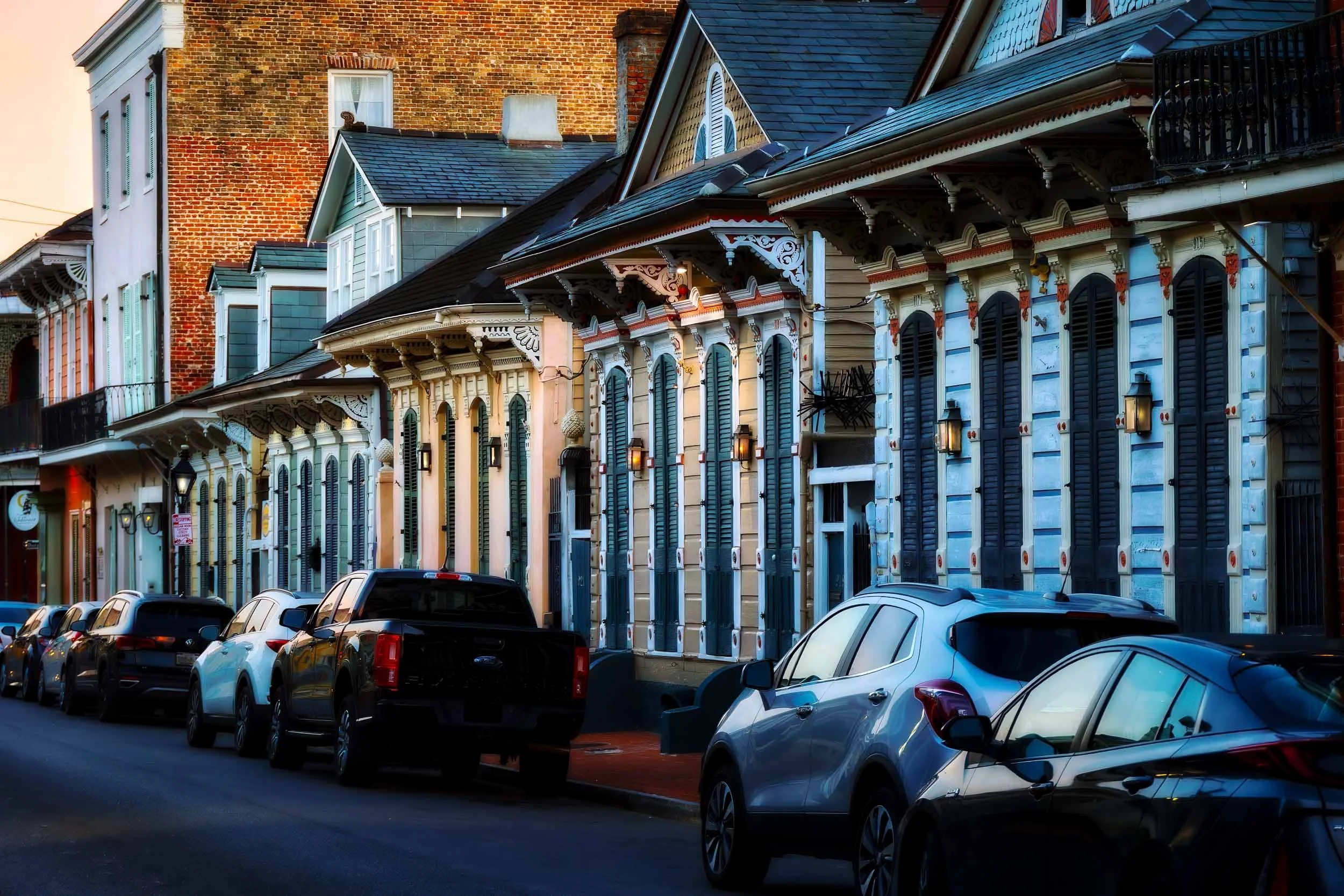
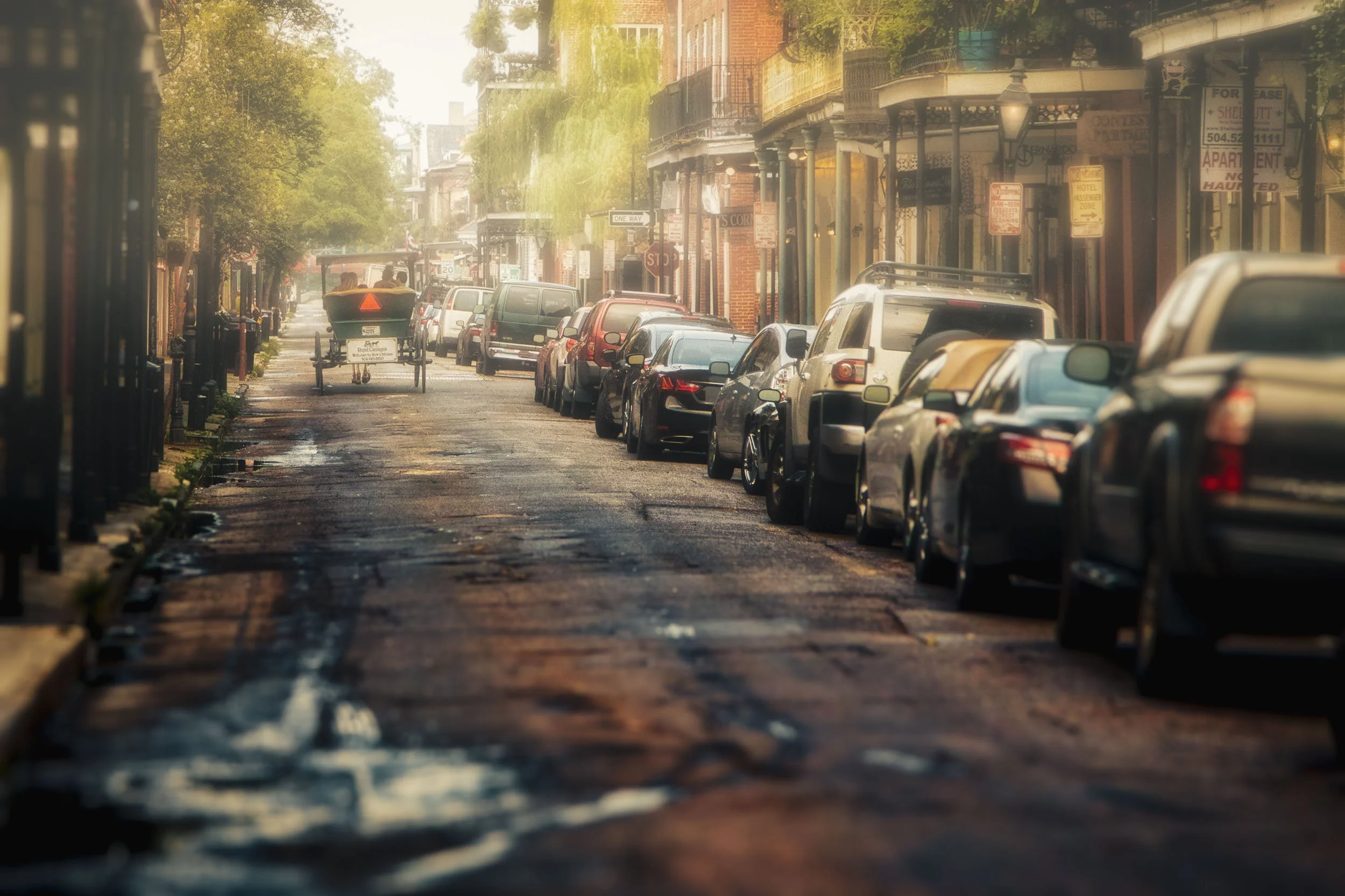
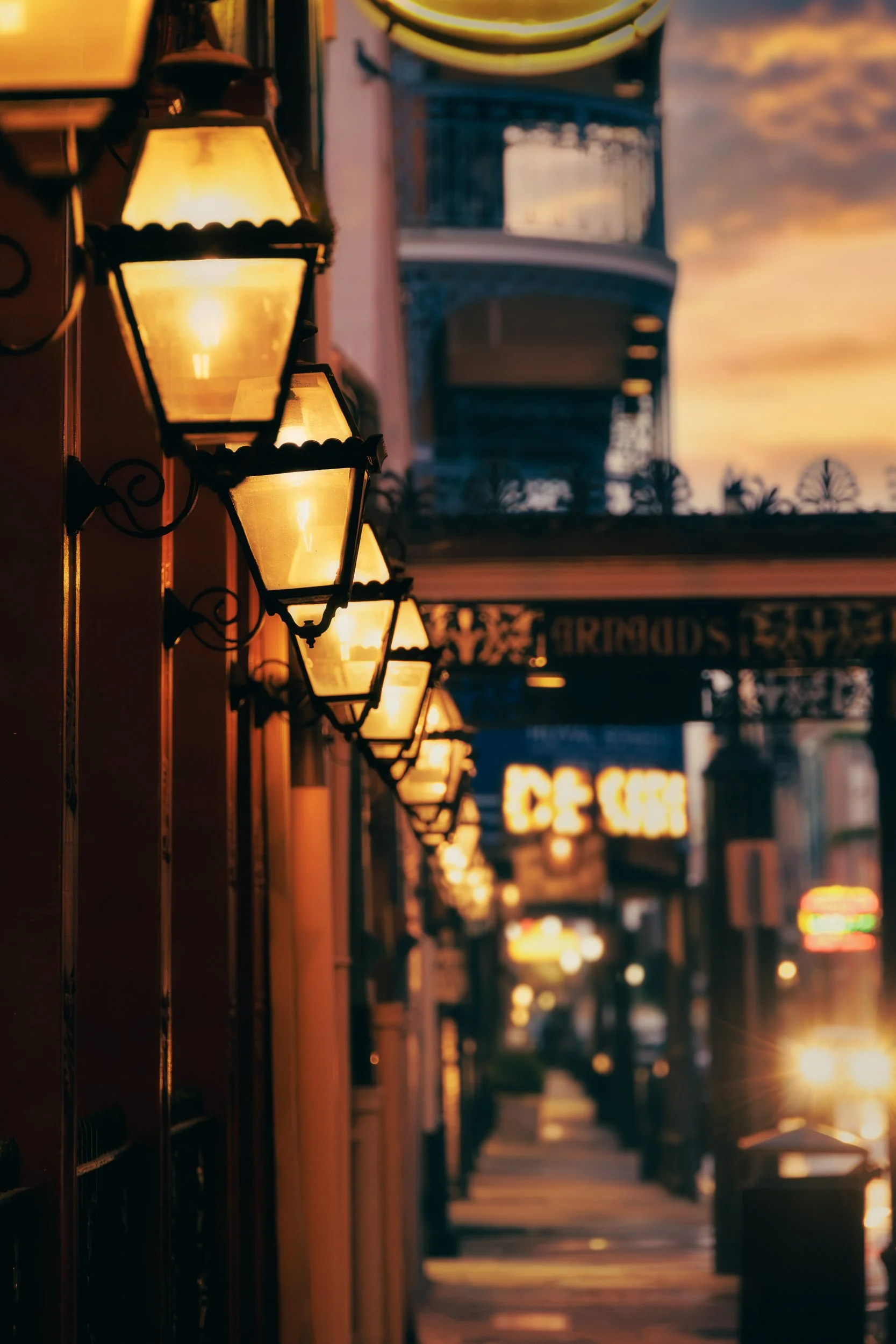
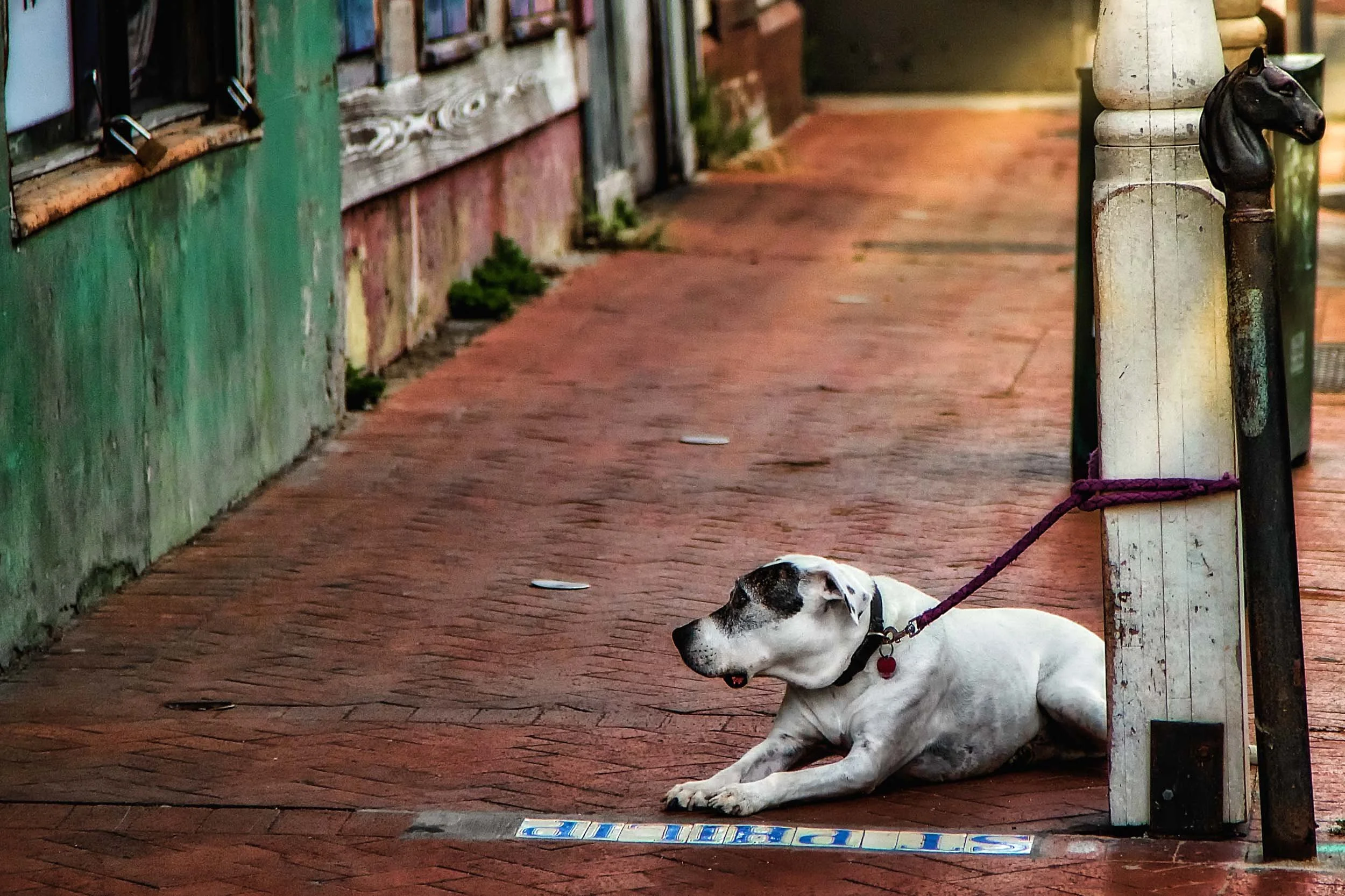
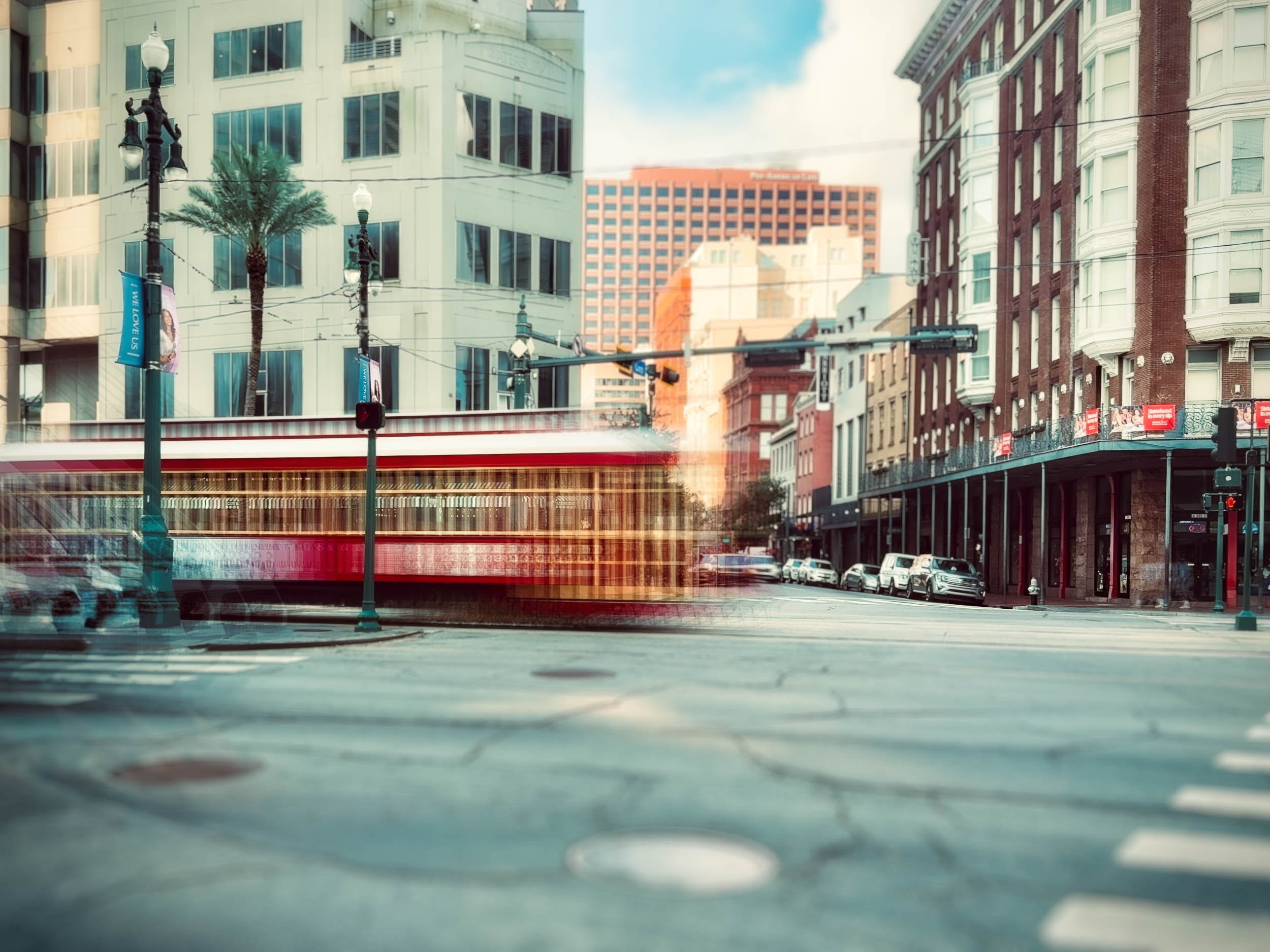
The streets themselves are among the Quarter's greatest subjects. Royal Street, Chartres Street, Dauphine Street, Bourbon Street, and countless smaller side streets each have their own personality. Some are lively and energetic, while others feel surprisingly quiet and timeless. One of my favorite experiences was simply walking with no specific destination in mind. Around nearly every corner there was something worth photographing - a gas lamp glowing in the early morning haze, a colorful storefront opening for the day, or reflections left behind after a brief rain shower. These scenes often become some of the most memorable photographs because they capture the atmosphere of the city rather than just its landmarks.
Why Photographers Keep Coming Back
The French Quarter isn't a place that can be fully photographed in a single visit. The changing light, weather, seasons, festivals, and daily rhythms of the city ensure that every trip offers something new. A street that appears ordinary at midday can become extraordinary at sunrise. A familiar landmark can take on an entirely different mood when fog rolls in or rain leaves the streets glistening with reflections. That's part of what makes New Orleans such a rewarding destination for photographers. The city constantly invites you to look again.
Bringing New Orleans Home
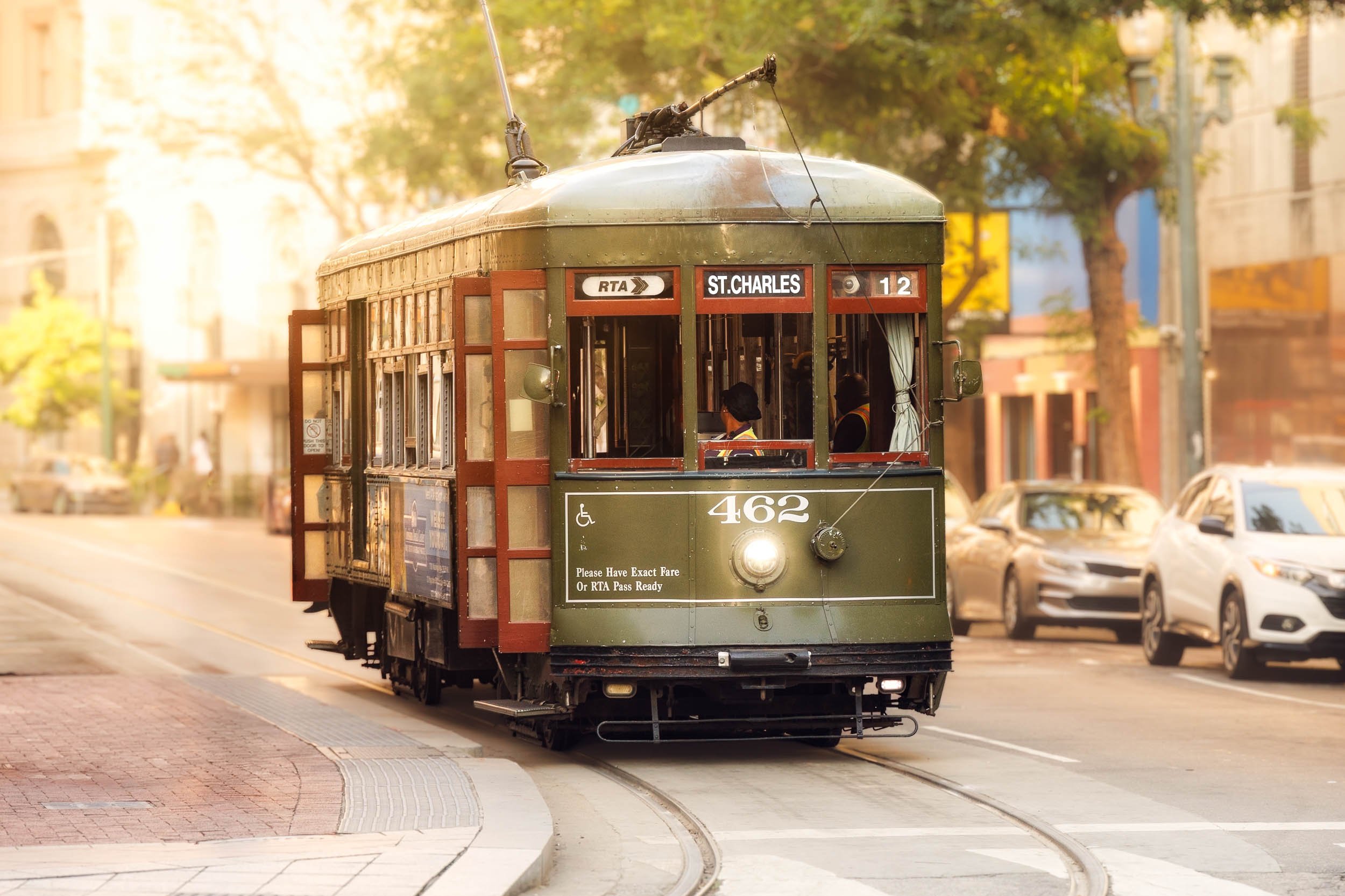
Many of the images featured in this post are available as fine art prints. If you'd like to bring a piece of the French Quarter into your home or office, you can browse my collections through ETSY and Fine Art America.
Whether you're remembering a favorite trip to New Orleans or simply appreciate historic architecture and street photography, these images are designed to capture the atmosphere and character that make the French Quarter unlike anywhere else in America.
Follow along on Facebook and Instagram for additional images and behind-the-scenes content.